Best shoes
Best pickleball shoes
Court shoes, not running shoes. What actually matters, and why this is the piece of gear most players get wrong.
Reviewed Sep 16, 2026
Shoes are the one piece of pickleball equipment where the wrong choice can hurt you. Running shoes are built to move you forward, with soft, tall midsoles that fold over when you push off sideways. Pickleball is almost entirely sideways.
The good news is that you do not need pickleball-specific shoes. Any decent court shoe, including tennis and volleyball models, is built for lateral movement, and there are more of those to choose from at better prices.
Why running shoes are the problem
A running shoe has a high, cushioned midsole and a narrow base optimised for heel-to-toe motion. When you push off hard to your left, the foot rolls over the edge of that soft platform and the ankle follows it. That is the mechanism behind a large share of recreational pickleball ankle injuries.
Court shoes solve this with a lower, firmer midsole, a wider base, and reinforcement around the upper that holds the foot on the platform when you cut. They feel less plush walking around, which is exactly why they work.
Outdoor or indoor?
Outdoor courts are painted concrete or asphalt with a gritty silica finish, and they destroy outsoles. Shoes for outdoor play use harder, denser rubber compounds and often carry a limited outsole durability guarantee.
Indoor courts are wood or a sport-court surface, and they need a softer, non-marking gum rubber that grips a smooth floor. An outdoor outsole on a gym floor is slippery; an indoor outsole outdoors will be worn through in weeks.
If you play both, an all-court shoe is the sensible compromise, and most of the market is all-court by default.
The specs worth checking
- Lateral support. A wide, firm base and a reinforced upper. This is the whole point of a court shoe and the reason not to compromise.
- Width options. Wide feet are common and most court shoes run narrow. Brands offering 2E and 4E are worth seeking out if standard widths pinch.
- Toe protection. If you drag your toe on volleys or serves, look for a reinforced toe guard or a drag pad. Without one, a $130 shoe can wear through in a season.
- Outsole durability. Some brands publish an outsole guarantee for outdoor play. It is a useful signal about the compound even if you never claim it.
Fit notes that matter more than the model
Buy for the end of a session, not the start. Feet swell, and a shoe that fits perfectly at the shop can be tight in game four.
Leave about a thumbnail of space at the toe. Lateral sports slide your foot forward on every stop, and a shoe that is exactly the right length will bruise your toenails.
Replace them before they look worn out. Court shoes lose their lateral support well before the outsole visibly fails, and a flattened midsole is a rolled ankle waiting to happen. Most regular players are on a six to twelve month cycle.
Our picks
Chosen from the database by the criteria above. Every spec was checked against the manufacturer on the date shown on each card.
- 1
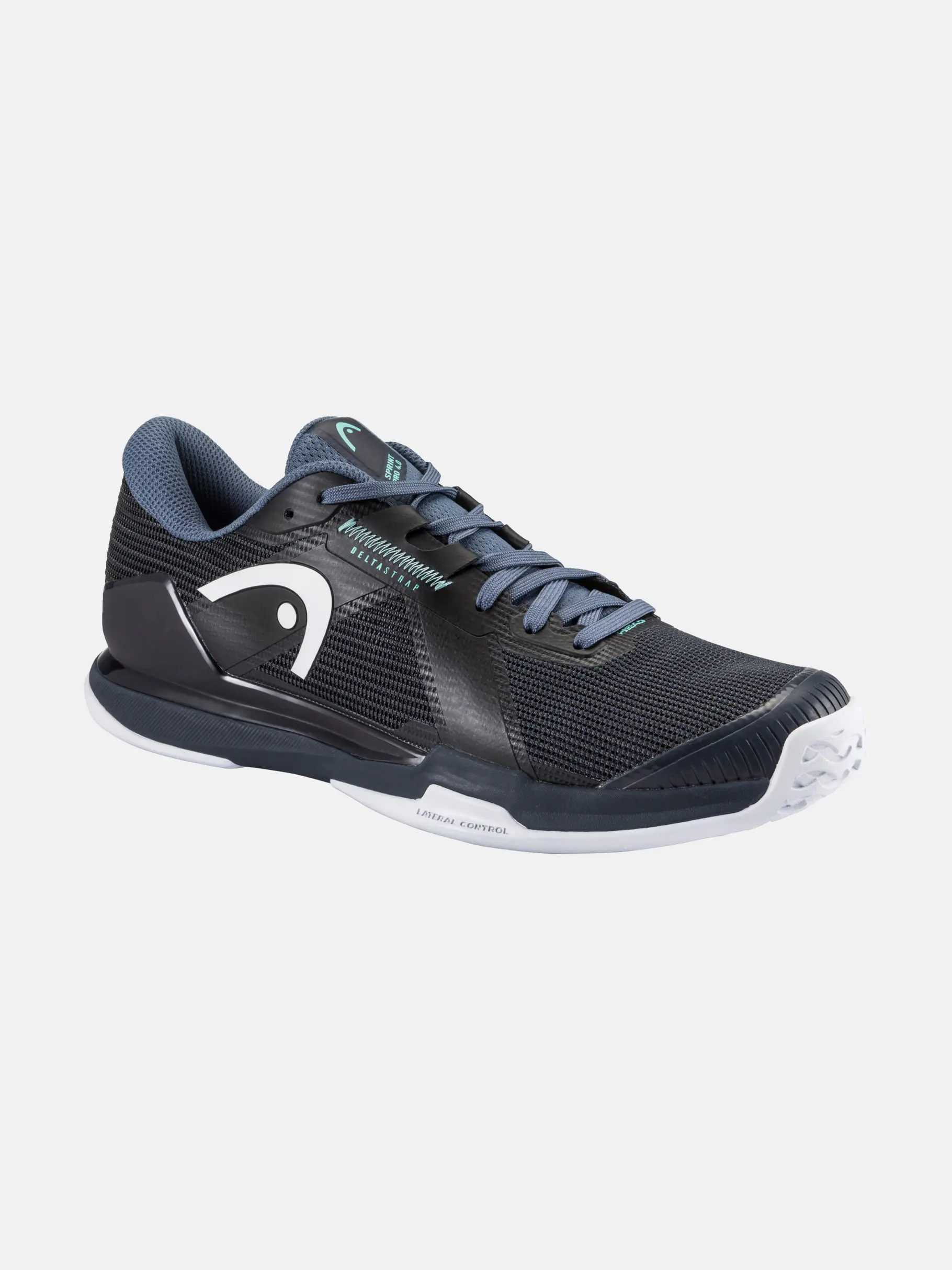
HEAD
Sprint Pro 4.0
HEAD's speed-oriented all-court shoe: a TRI-NRG midsole, DeltaStrap midfoot lockdown, a TPU heel brace and Drift Defense toe protection for toe-draggers.
$109Brand list priceDetails - 2
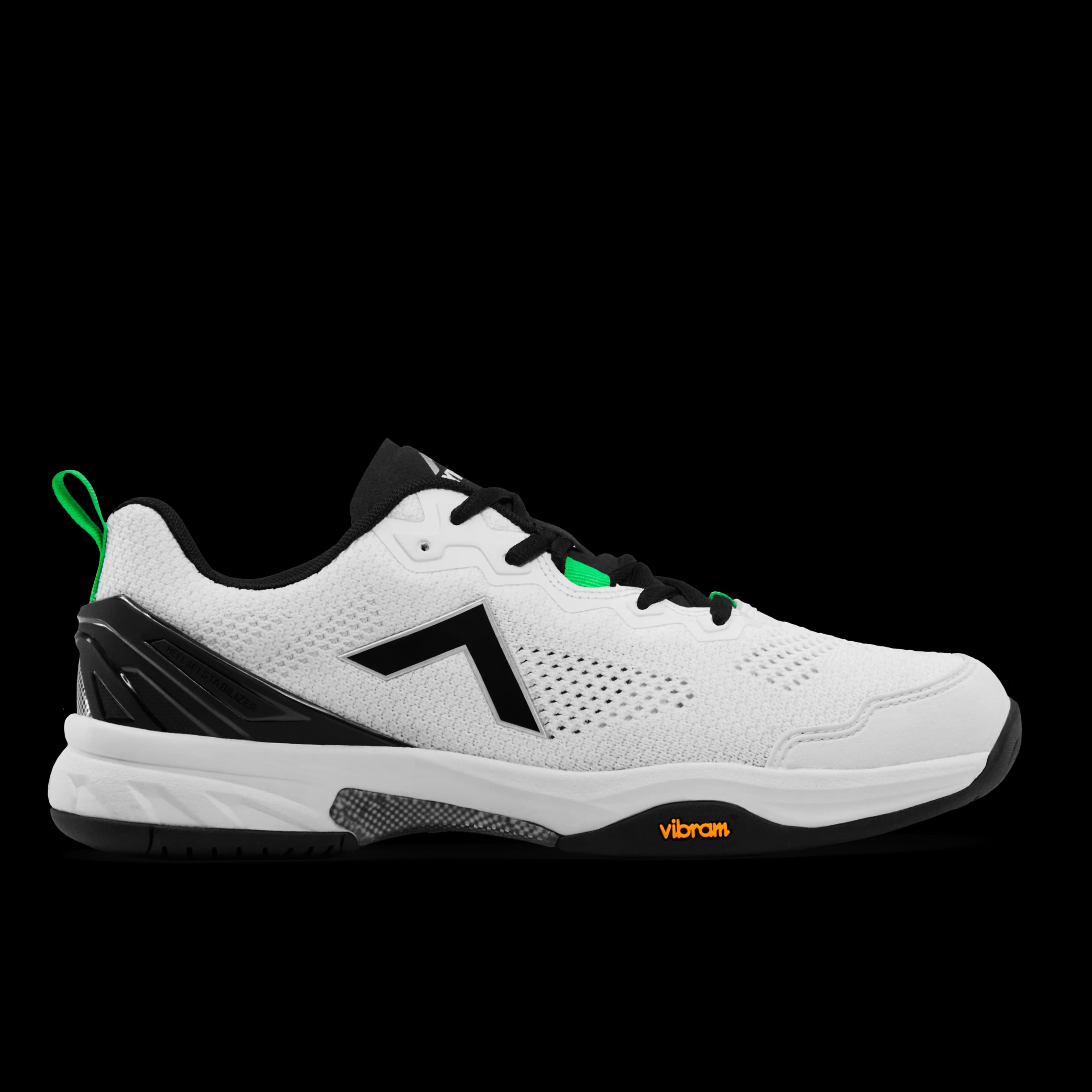
Tyrol
Velocity V
A pickleball-only brand's flagship: a seamless knit upper, a torsional control shank with a curved heel stabilizer, and a Vibram X Abrade outsole made for gritty painted courts.
$150Brand list priceDetails - 3
ASICS
Gel-Dedicate 8
ASICS's entry-level court shoe: GEL cushioning, a TRUSSTIC support unit and synthetic leather overlays that lock the foot in, at $85 in standard and wide.
$85Brand list priceDetails - 4
Skechers
Viper Court Pro 2.0
Skechers' top pickleball shoe: an ULTRA GO foam midsole and a podiatrist-certified Arch Fit insole over a Goodyear Gold rubber outsole, in Medium, Wide and Extra Wide.
$115Brand list priceDetails - 5
New Balance
FuelCell 796v5
New Balance's value court shoe: a FuelCell foam midsole, an NDurance non-marking rubber outsole in high-wear areas, and D, 2E and 4E widths for under $100.
$100Brand list priceDetails - 6
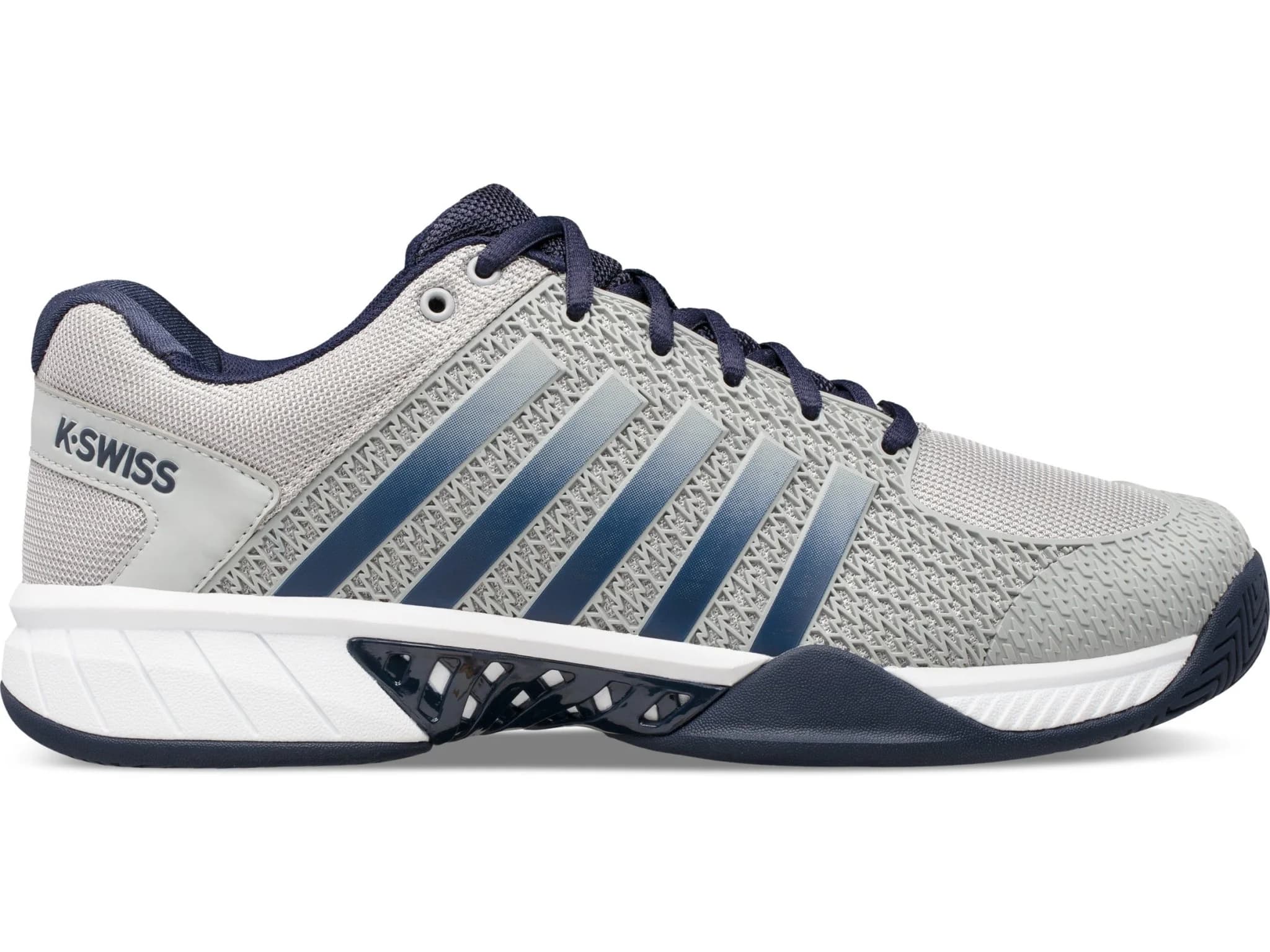
K-Swiss
Express Light Pickleball
A purpose-built pickleball shoe with a CMEVA midsole, a 180-degree plantar support chassis and an Aosta rubber outsole with DragGuard, sold in standard and 2E widths.
$115Brand list priceDetails - 7
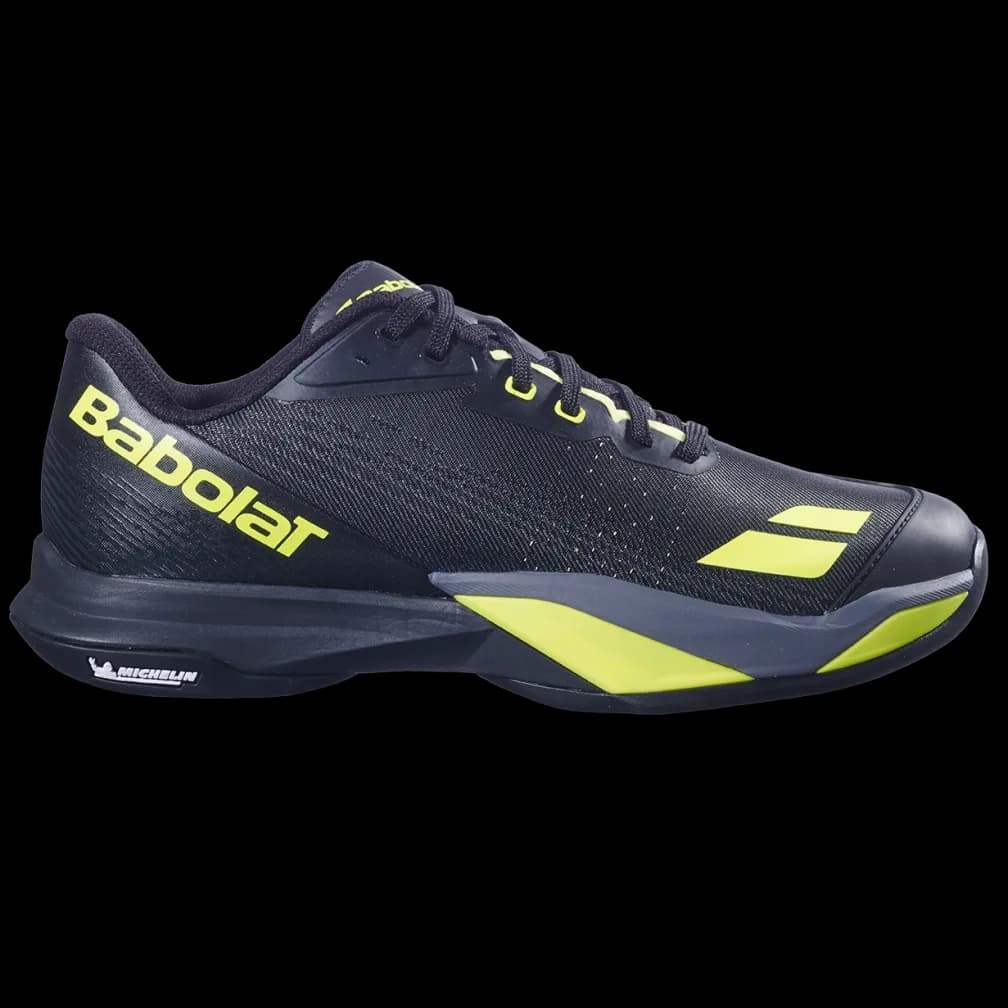
Babolat
Jet Mach 4 All Court
Babolat's speed shoe: a Matryx aramid-and-polyamide upper, Blast Pad forefoot foam, a Michelin all-court outsole and a PRO SHIELD+ toe guard.
$159Brand list priceDetails - 8
ASICS
Gel-Rocket 11
ASICS's budget indoor court shoe: GEL cushioning, a TRUSSTIC midsole stabilizer and a wrap-up outsole with an outrigger for side-to-side movement, at $75 list.
$75Brand list priceDetails - 9
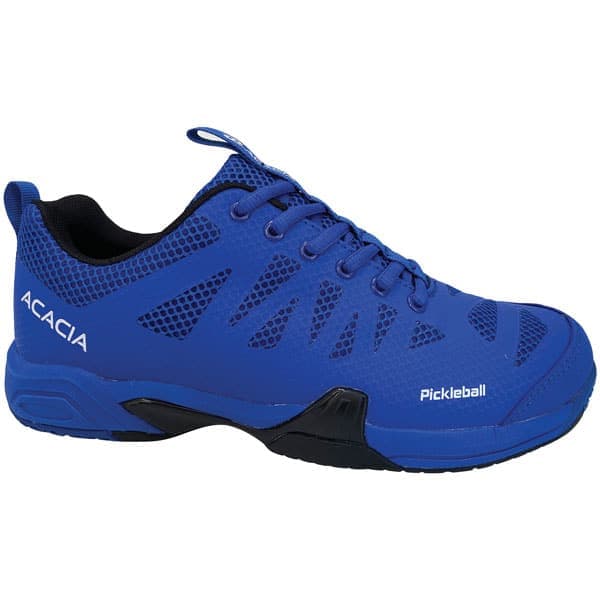
ACACIA
ProShot
A unisex wide-fit indoor-outdoor shoe with a honeycomb ballistic nylon upper, an EVA midsole and a non-marking gum rubber outsole with extended drag guards.
$90Brand list priceDetails - 10
ASICS
Gel-Game 9
A light, flexible all-court shoe with forefoot GEL, a TRUSSTIC midsole and an open mesh upper, sold by ASICS in tennis and pickleball editions at $90.
$90Brand list priceDetails
Common questions
- Can I wear running shoes for pickleball?
- It is strongly discouraged. Running shoes have tall, soft midsoles and narrow bases designed for forward motion, and they fold over on hard lateral cuts, which is how ankles get rolled. Any court shoe, including tennis and volleyball models, is a safer choice.
- Are pickleball shoes different from tennis shoes?
- Barely. Most pickleball-specific shoes are court shoe designs with pickleball branding, occasionally with a slightly different outsole pattern. A good tennis shoe is a perfectly valid pickleball shoe, and there are far more of them to choose from.
- What shoes should I wear on an indoor pickleball court?
- A shoe with a non-marking gum rubber outsole designed for indoor courts. Outdoor outsoles use harder compounds that are slippery on wood and sport-court surfaces, and many facilities require non-marking soles anyway.
- How often should I replace pickleball shoes?
- Most regular players need new shoes every six to twelve months. The important signal is not the tread but the midsole: once it compresses, you lose the lateral support that keeps your foot on the platform, even if the shoe still looks fine.
Read next
- GuideBest ballsIndoor and outdoor balls are different products. Pick the right one and the game feels right.
- GuideBest for beginnersForgiving, affordable paddles that make learning easier, and which you will still be happy with six months from now.
- GuideWhich paddle for meA decision framework rather than a list. Four questions decide almost every paddle purchase.