Six Zero
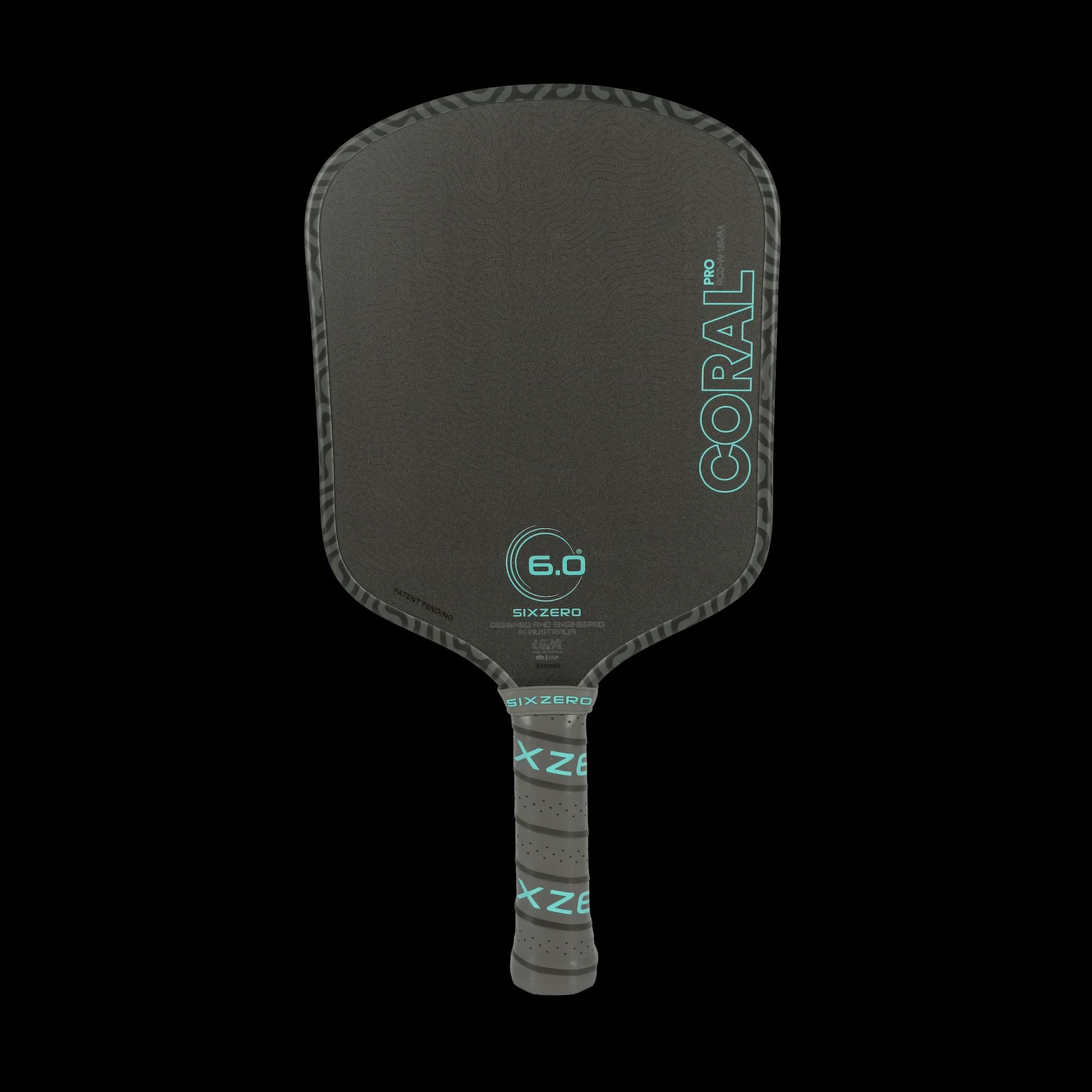
Coral Pro Widebody 16mm
The widebody Coral Pro puts stability first, with the highest published twist weight and lowest swing weight of the three Coral Pro shapes.
- Shape
- Widebody
- Core
- 16mm
- Face
- Raw carbon

Which pickleball paddle is right for me?
A decision framework rather than a list. Four questions decide almost every paddle purchase.
Reviewed Sep 16, 2026
Every buying guide on this site answers a narrower version of this question. This page is the one that decides which of those you should be reading, because the honest truth is that the best paddle for you depends on four things, and none of them is what a review site liked.
If you would rather answer the questions and be handed the shortlist, our Paddle Finder does exactly this and shows its reasoning for every recommendation.
This is the most useful question in paddle buying and almost nobody asks it. Think about your last few games and identify the shot that goes wrong most often.
Under six months, prioritise forgiveness and ignore almost every other spec. A 16mm core in a wide or hybrid shape at around $80 to $130 is the answer, and you will not outgrow it.
Six months to a couple of years, you have preferences now, and the raw carbon face is the upgrade that changes what shots are available to you.
Longer than that, you are tuning rather than upgrading, and swingweight, twistweight and balance are the numbers that will move the needle.
Grip circumference is the fit spec people most often get wrong. Too small and you squeeze; too large and you lose wrist mobility. Most adults are between 4 and 4.5 inches, and an overgrip adds about a sixteenth of an inch if you buy small.
If you hit a two-handed backhand, you need a handle of 5.5 inches or more, full stop.
If you have any history of elbow trouble, weight the decision toward a thicker core, a lower swingweight and a softer construction, and read the tennis elbow guide before you buy anything stiff.
Around $100 buys the construction that matters: raw carbon face, 16mm core, full-length handle. Under $60 buys a perfectly usable casual paddle in fiberglass or graphite. Above $200 buys refinement and published performance data rather than a different category of paddle.
One piece of advice that is worth more than any of the above: if you are choosing between a $250 paddle and a $130 paddle plus two lessons, take the lessons. The coaching will improve your results more than the equipment will, and you will know far more about what you want from your next paddle.
Specs get you from thirty paddles to three. They cannot get you to one, because feel is real and is not fully captured by any number.
Demo programmes at pickleball specialty retailers are the ideal way to close that gap. Failing that, ask at your court: players are generally happy to let you hit a few balls with theirs between games, and five minutes with a paddle tells you more than an hour of reading.
Chosen from the database by the criteria above. Every spec was checked against the manufacturer on the date shown on each card.

Six Zero
The widebody Coral Pro puts stability first, with the highest published twist weight and lowest swing weight of the three Coral Pro shapes.

Selkirk
The wider 8-inch Dauntless with a 16mm foam core and raw T700 carbon face, for players who want spin with a forgiving, quick-handling shape.

Selkirk
A thick 19mm, carbon-faced Epic-shape paddle built around control, suited to players who win with dinks, resets and placement.

HEAD
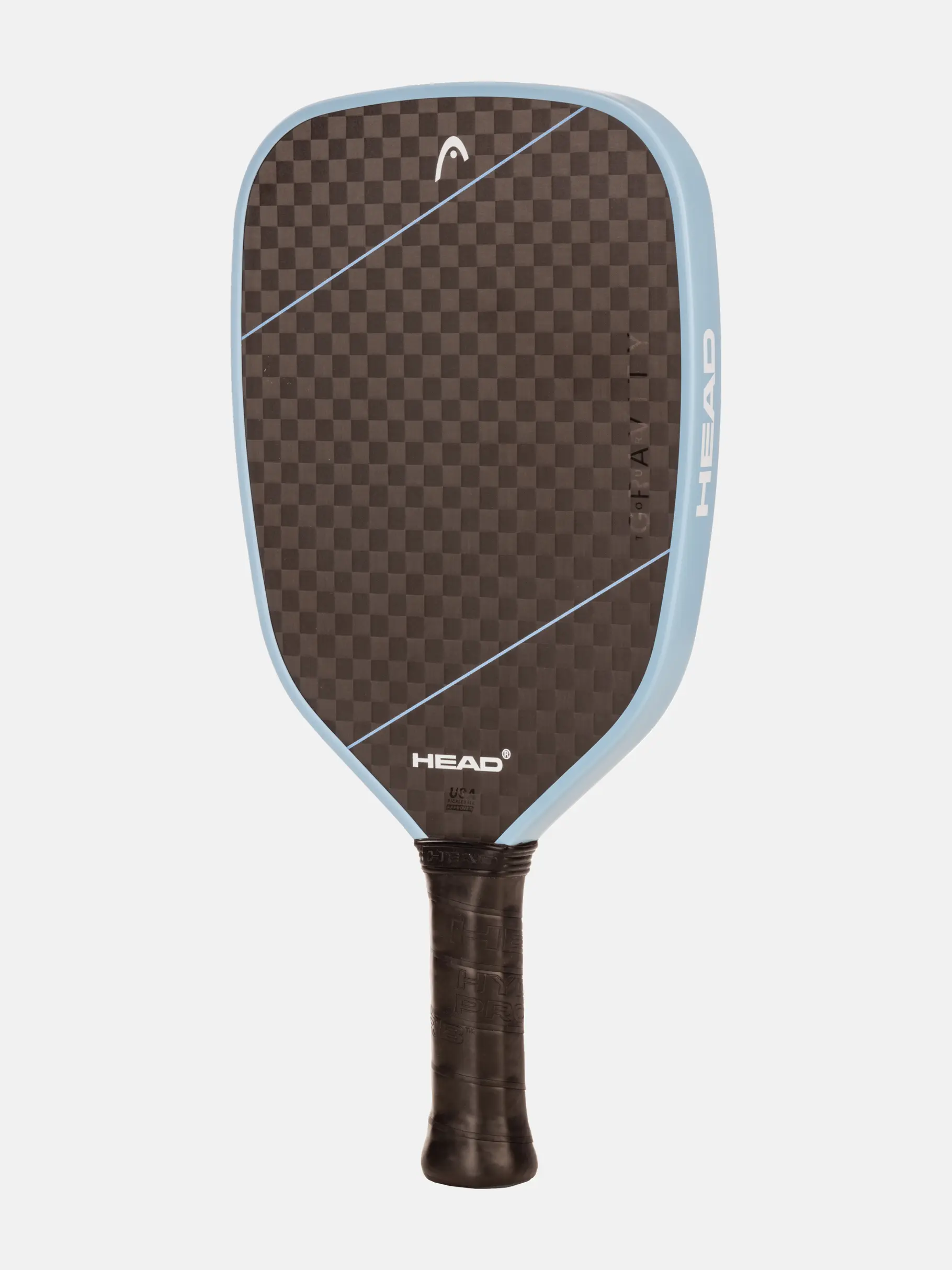
HEAD's control paddle: a thick 17mm core under a 12k raw carbon face, heavy at 8.5 oz with a short 4.9-inch handle, built to absorb pace.

Selkirk
The wide 8-inch version of the 16mm carbon Boomstik, for power players who want a more forgiving face than the elongated shape.

Selkirk
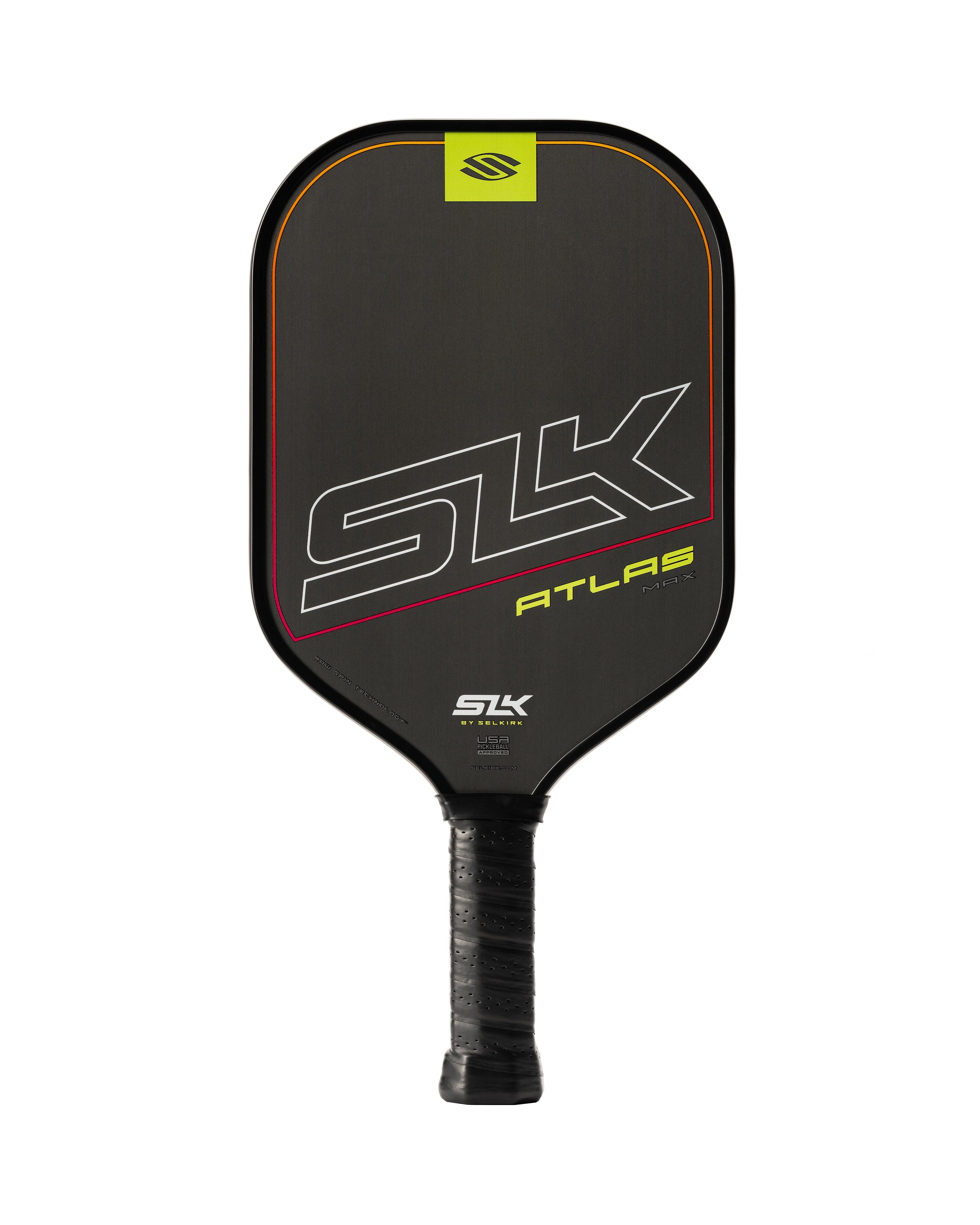
Selkirk's entry-level SLK line in the standard Max shape: a raw carbon face over a 16mm polymer core at $80, with a one-year warranty.