Just Pickle Me
Holiday gift guide: paddle picks, gift cards and stocking stuffers $50 and under
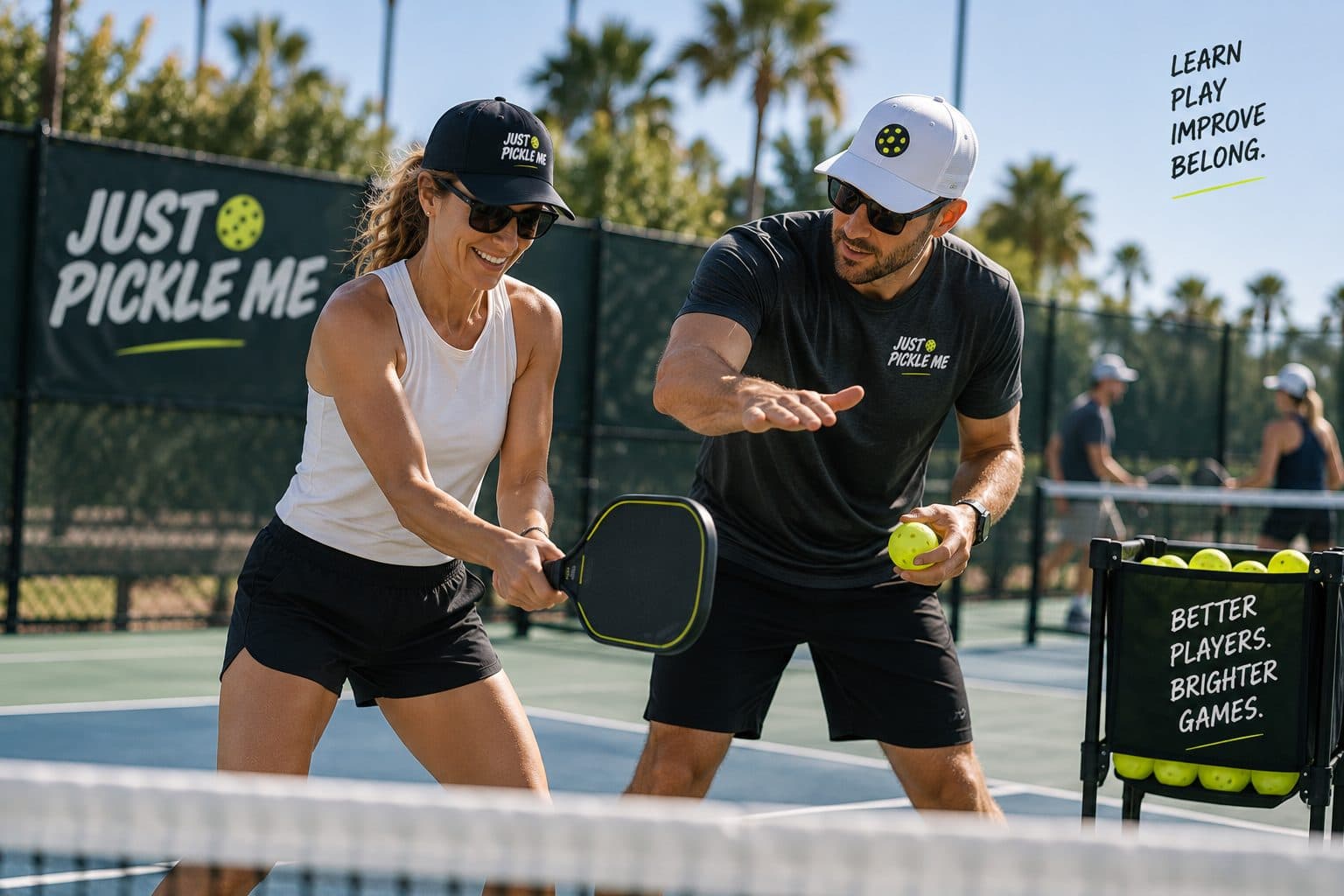
Coach guiding a player through a forehand at the kitchen line

Best for tennis elbow

Best pickleball paddles for tennis elbow

Which paddle characteristics reduce the load on your forearm, what to avoid, and why equipment is only part of the answer.

Reviewed Sep 16, 2026

Start here: we are not medical professionals, and nothing on this page is medical advice or a treatment plan. Persistent elbow pain is worth taking to a doctor or physiotherapist, because the same symptoms have several different causes and the right response depends on which one you have.

What we can do is explain, honestly, which paddle characteristics increase or decrease the forces your arm absorbs, so that you can make an informed equipment choice alongside whatever your clinician advises.

Why pickleball aggravates elbows

Lateral epicondylitis, the condition commonly called tennis elbow, involves the tendons that attach the forearm extensor muscles to the outside of the elbow. It is an overuse pattern: repeated load without enough recovery.

Pickleball loads those tendons in a few specific ways. Contact is frequent and often quick, with little time to prepare. Blocking a hard drive transmits shock directly up the arm. Many self-taught players flick at the ball with the wrist rather than driving with the shoulder and legs, which puts the load exactly where it hurts. And because the sport is easy to play for three hours, volume accumulates fast.

What in a paddle reduces the load

Equipment cannot fix technique, but the physics are real: a paddle that transmits less shock and asks for less effort per swing puts less demand on the tendon.

  • A thicker core. More material means more of the impact is absorbed by the paddle rather than passed to your hand. 16mm and above is the usual recommendation; some paddles now go to 17mm and 19mm specifically for dampening.
  • Lower swingweight. This matters more than static weight. A paddle that is quick to swing asks less of the forearm on each of the hundreds of strokes you hit in a session.
  • A softer, less stiff construction. Thermoformed and foam-perimeter paddles are stiffer, which makes them powerful and also makes them transmit more vibration. A conventional cold-pressed honeycomb core tends to be gentler.
  • A grip that is not too small. Squeezing a grip that is too narrow keeps the forearm muscles contracted for the whole point. Most adults land between 4 and 4.5 inches; you can build a grip up with an overgrip.
  • Fresh grips and balls. A slick grip makes you squeeze harder. Old, hard outdoor balls transmit more shock than fresh ones.

What to be cautious about

Very thin cores of 13mm and under, which return more energy to your arm as well as to the ball. Very stiff thermoformed builds, for the same reason. Very high swingweights, which increase the effort of every stroke. And edgeless or extremely head-heavy designs, which can concentrate mass where it is hardest to control.

Be sceptical of any paddle marketed as preventing or curing arm pain. Vibration-dampening features can genuinely reduce what you feel, but no paddle treats a tendon injury.

The things that matter more than the paddle

Most players with elbow pain get further from these than from any purchase: hitting with the shoulder and legs rather than flicking with the wrist, meeting the ball in front rather than late, warming up before the first game rather than during it, and taking real rest days rather than playing through.

Forearm strengthening and stretching programmes are well established for this condition, and a physiotherapist can give you ones appropriate to your case. Counterforce straps help some players. None of that is equipment advice, and all of it is worth more than a new paddle.

How we chose the paddles below

These are ranked by the characteristics described above: thicker cores, higher control scores, and moderate weight, filtered to paddles that are not thermoformed or foam-stiffened where we know the construction.

This is a spec-based ranking, not a clinical one. No testing of arm load has been performed by us or, as far as we know, published by these manufacturers.

Our picks

Chosen from the database by the criteria above. Every spec was checked against the manufacturer on the date shown on each card.

1Selkirk LUXX Control Air with InfiniGrit Epic pickleball paddle in red

Selkirk

LUXX Control Air InfiniGrit Epic 19mm

A thick 19mm, carbon-faced Epic-shape paddle built around control, suited to players who win with dinks, resets and placement.

Shape
Standard
Core
19mm
Face
Carbon
$200$280at JustPaddles · Oct 20
P 4C 8S 8
Verified Oct 20, 2026Details
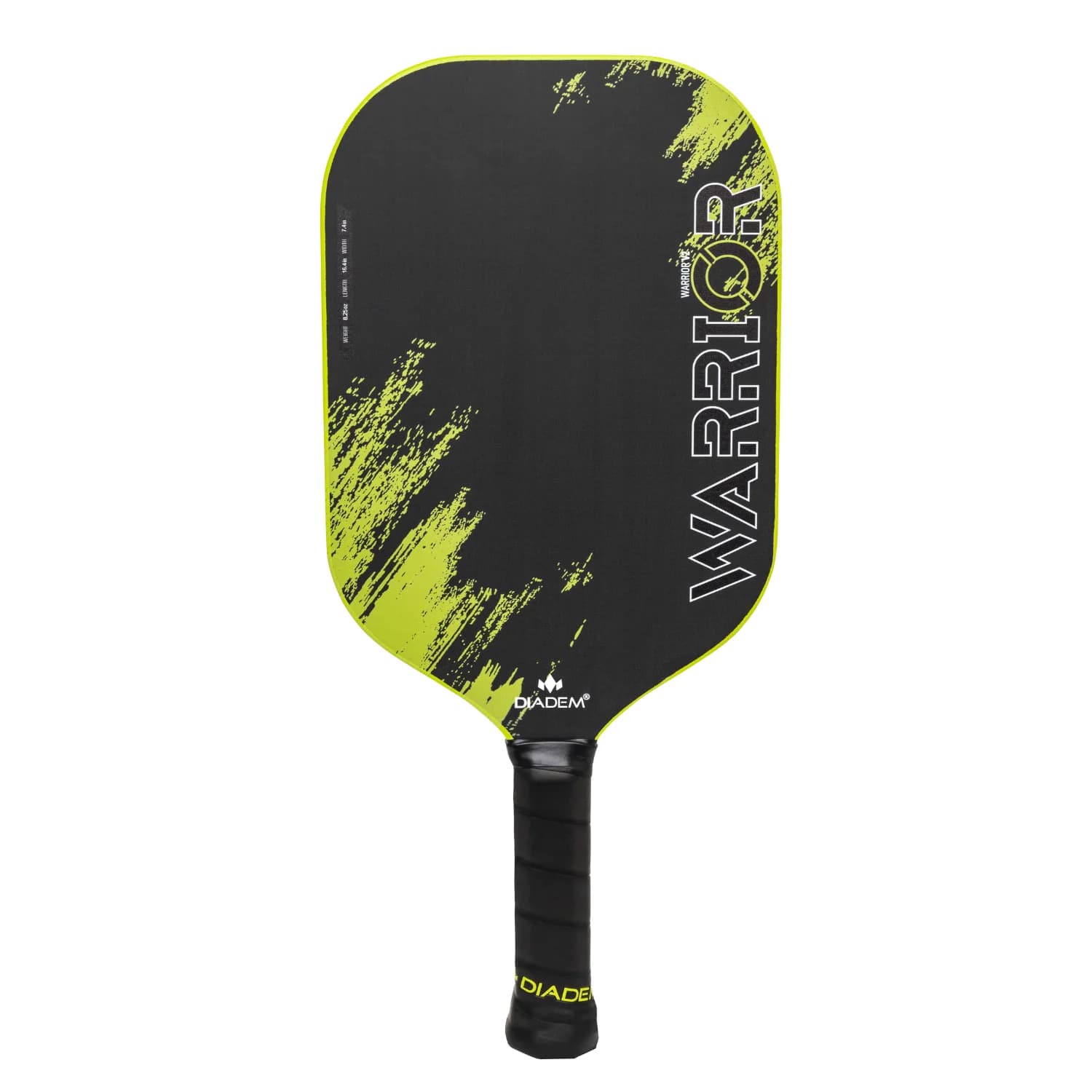
2Diadem Warrior V2 pickleball paddle, front view

Diadem

Warrior V2

Diadem's edgeless flagship: a 19mm three-layer core with an aramid middle layer under an etched carbon face, in an elongated frame.

Shape
Elongated
Core
19mm
Face
Carbon
$160$230at JustPaddles · Oct 21
P 6C 7S 8
Verified Sep 15, 2026Details
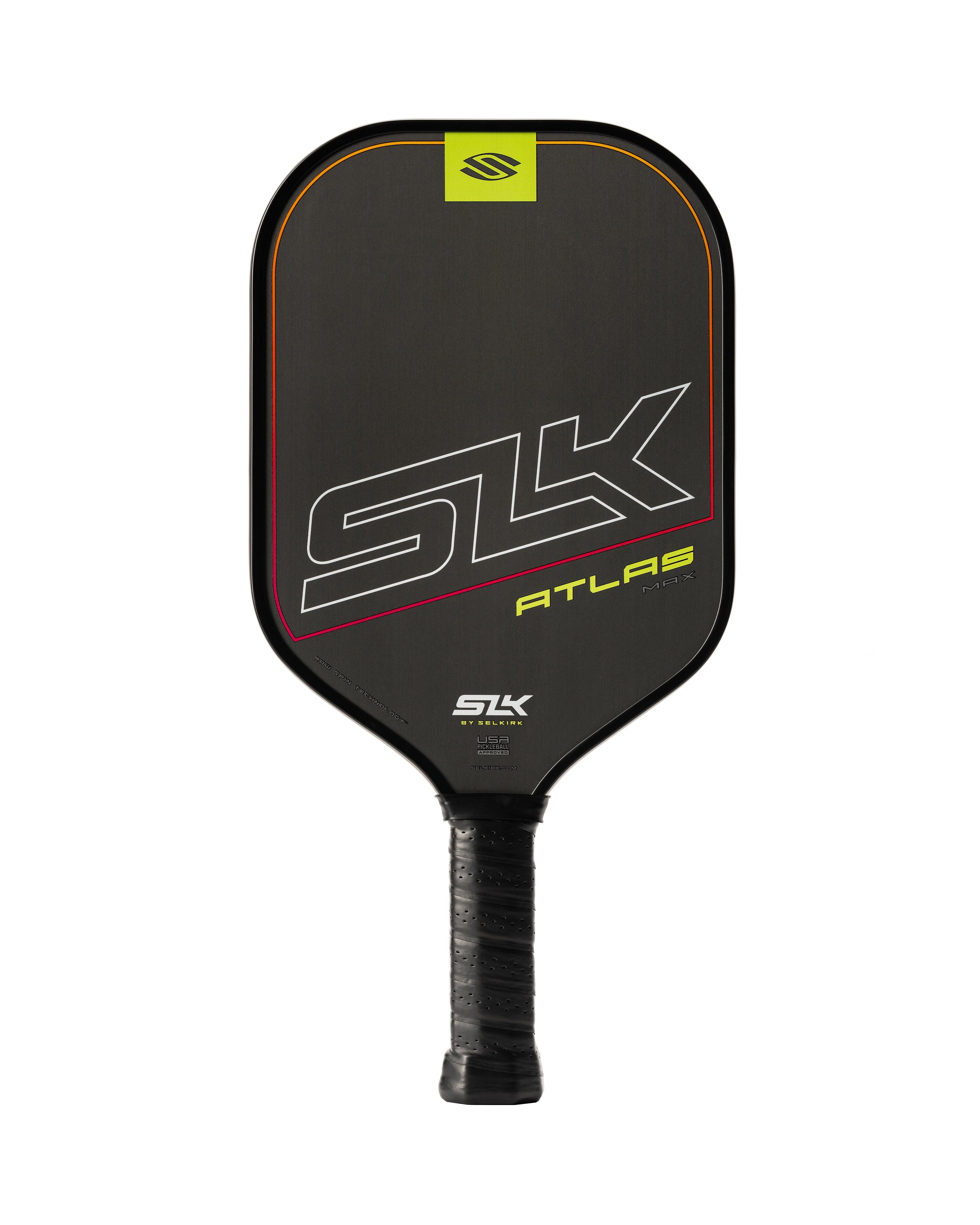
3Selkirk SLK Atlas Max pickleball paddle, front view

Selkirk

SLK Atlas Max

Selkirk's entry-level SLK line in the standard Max shape: a raw carbon face over a 16mm polymer core at $80, with a one-year warranty.

Shape
Standard
Core
16mm
Face
Raw carbon
$80
P 6C 7S 9
Verified Sep 15, 2026Details
4ProXR Sweet Spot Max 2 pickleball paddle in the Iconic black and blue colorway

ProXR

Sweet Spot Max 2 16mm

A 16mm raw T700 carbon paddle with a wide 16 x 8 inch face, for players who want a large, forgiving hitting area and control from a thick core.

Shape
Standard
Core
16mm
Face
Raw carbon
$90$150at JustPaddles · Oct 21
P 6C 7S 9
Verified Sep 25, 2026Sold out at brandDetails
5Gearbox Pro Ultimate Hyper 16mm pickleball paddle, angled front view

Gearbox

Pro Ultimate Hyper 16mm

A 16mm wide-body Gearbox paddle with an 8-inch-wide face, a 5.5-inch handle and Gearbox's patented carbon rib core.

Shape
Standard
Core
16mm
Face
Raw carbon
$150$275at JustPaddles · Oct 20
P 6C 7S 9
Verified Oct 20, 2026Details
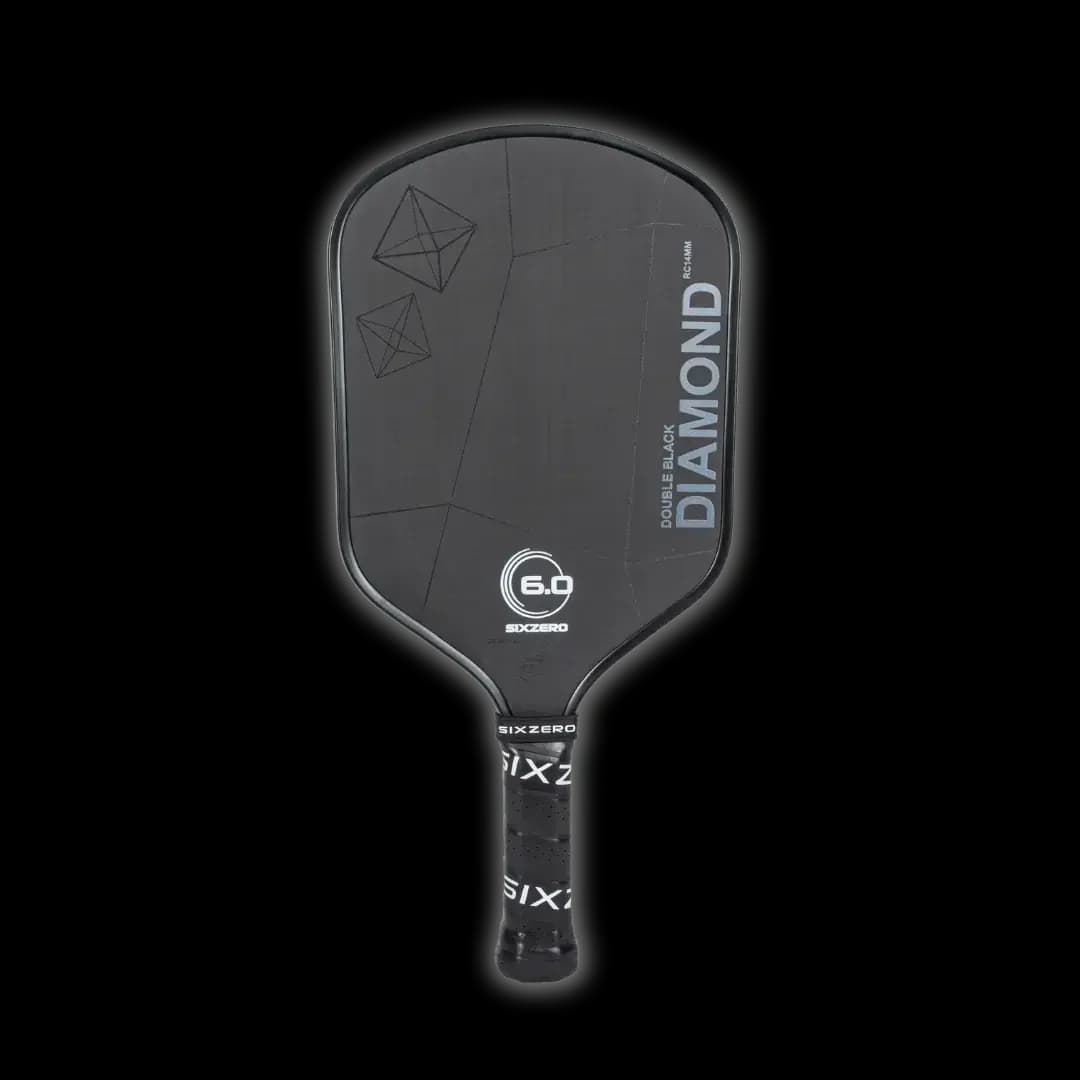
6Six Zero Double Black Diamond Control 16mm pickleball paddle, front view

Six Zero

Double Black Diamond Control 16mm

A hybrid-shape raw carbon paddle that became the default 'just get this one' recommendation for players who want control, spin and a forgiving sweet spot at a fair price.

Shape
Hybrid
Core
16mm
Face
Raw carbon
$180at JustPaddles · Oct 21
P 7C 6S 9
Verified Sep 13, 2026Details

Common questions

What kind of pickleball paddle is best for tennis elbow?
Generally a thicker core of 16mm or more, a moderate weight with a low to middling swingweight, a conventional non-thermoformed construction, and a grip large enough that you are not squeezing. These characteristics reduce the shock and effort involved in each stroke, though they do not treat an existing injury.
Does a heavier or lighter paddle help tennis elbow?
Neither extreme. A very light paddle transmits more shock because there is less mass to absorb it, and it tempts you to swing harder. A very heavy one increases the effort of every stroke. Something moderate with a low swingweight is the usual compromise.
Can a pickleball paddle cause tennis elbow?
Equipment is a contributing factor rather than a cause. Tennis elbow is an overuse condition, and a stiff, thin, heavy-swinging paddle with a grip that is too small increases the load involved, particularly combined with wrist-led technique and long sessions.
Should I stop playing pickleball with tennis elbow?
That is a question for a doctor or physiotherapist rather than a gear site. Ask them; the right answer depends on the severity and stage of your particular case.