Six Zero
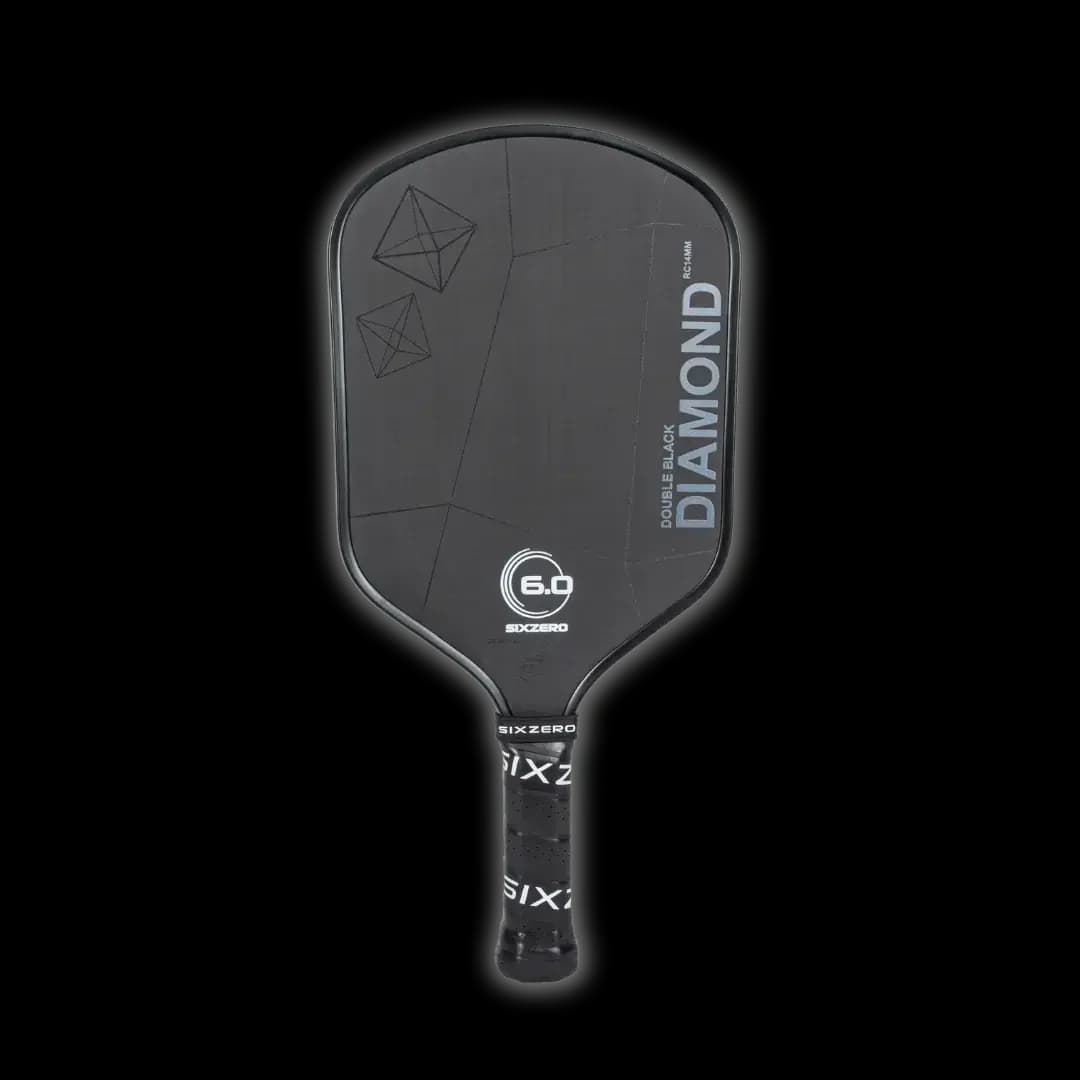
Double Black Diamond Control 14mm
The thinner option of the Double Black Diamond: same hybrid shape and raw carbon face, more pop on drives and counters.
- Shape
- Hybrid
- Core
- 14mm
- Face
- Raw carbon

14mm vs 16mm pickleball paddles: how core thickness changes the game
What the millimetre number on a paddle actually does, why 16mm became the default, and how to tell which thickness suits the way you lose points.
Reviewed Sep 16, 2026
Core thickness is the spec people ask about most and understand least. It is the depth of the honeycomb core sandwiched between the two faces, measured in millimetres, and it sits somewhere between 11mm and 19mm on nearly every paddle sold today.
The short version: a thicker core absorbs energy and a thinner core returns it. Everything else follows from that one sentence. This page explains what follows, and uses two paddles in our database that are sold in both thicknesses, so the comparison holds every other variable still.
A pickleball paddle is a sandwich. Two thin faces, usually carbon fibre or fiberglass, are bonded to a honeycomb core made of polypropylene. The millimetre figure is the depth of that honeycomb, not the thickness of the whole paddle and not the face.
When the ball hits, the honeycomb cells deform. A deeper core has more material to deform, so more of the ball's energy is spent squashing the core and turned into heat instead of being returned to the ball. A shallower core deforms less and springs back faster, so more energy goes back into the ball.
That is the entire mechanism. Every practical difference between 14mm and 16mm is a consequence of it.
Most comparisons fail because they pit a 14mm paddle from one brand against a 16mm paddle from another, which changes the shape, the face, the handle and the weight all at once. A few brands now sell one model in two thicknesses, which removes that problem entirely.
The Six Zero Double Black Diamond Control is one of the cleanest examples in our database. Both versions are hybrid shaped, both weigh 8.1 oz, both measure 16.3 by 7.6 inches, both use the same T700 raw carbon face, both have a 5.5 inch handle, and both list at the same price. The only published differences are the core depth and a single point of swingweight.
That last detail is worth pausing on, because it is counterintuitive. The thicker 16mm version lists a swingweight of 114 and the thinner 14mm version lists 113. Adding core depth barely moved how heavy the paddle feels through the swing. So when people describe a 16mm paddle as feeling 'heavier', they are usually describing the dampened impact, not the mass. Those are different things, and conflating them leads people to buy the wrong paddle.
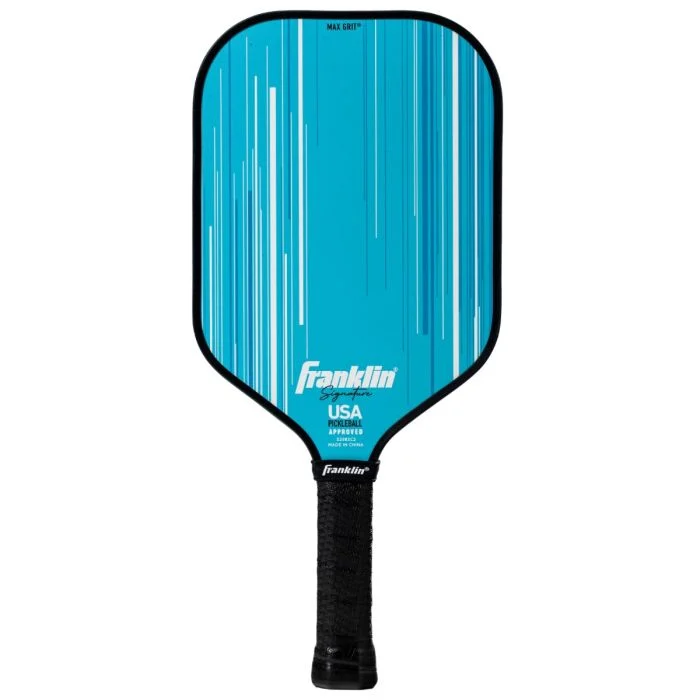
The Franklin Signature Series is sold at 13mm and 16mm too, though it is a less controlled comparison: Franklin lists the thinner version as lighter, so weight changes along with thickness.
Thickness is not a skill ladder. It is a trade, and the right side of the trade depends on which shots are currently costing you games. The useful question is not which is better but which of these two descriptions sounds like your last few matches.
Pick 16mm if you pop resets up above the net, if your third shot drops sail long, if hard drives handcuff you at the kitchen, or if off-centre contact keeps sending balls somewhere you did not intend. The thicker core buys you margin on every soft shot and forgiveness on every mishit.
Pick 14mm if your drives get blocked back without trouble, if you lose hands battles at the net, if you feel like you have to swing hard to generate anything, or if you want a counter to come off the face quickly. The thinner core gives you free pace, and the cost is margin.
If neither description fits, buy 16mm. It is the default for a reason, and it is the thickness most players settle on after trying both.
Paddles were thinner across the board a few years ago, and the sport's style of play is why that changed. As the third shot drop and the extended dink rally became standard at every level above beginner, the shots that decide points moved from the baseline to the kitchen. Soft shots reward a core that absorbs, so the market followed.
84 of the 160 paddles in our database are 16mm, more than any other thickness. That is not a claim that 16mm plays better. It is a description of what manufacturers are building because of how the sport is now played.
The range does not stop at the two popular numbers. Our database runs from 12mm to 19mm, and the ends behave the way the mechanism predicts, only more so.
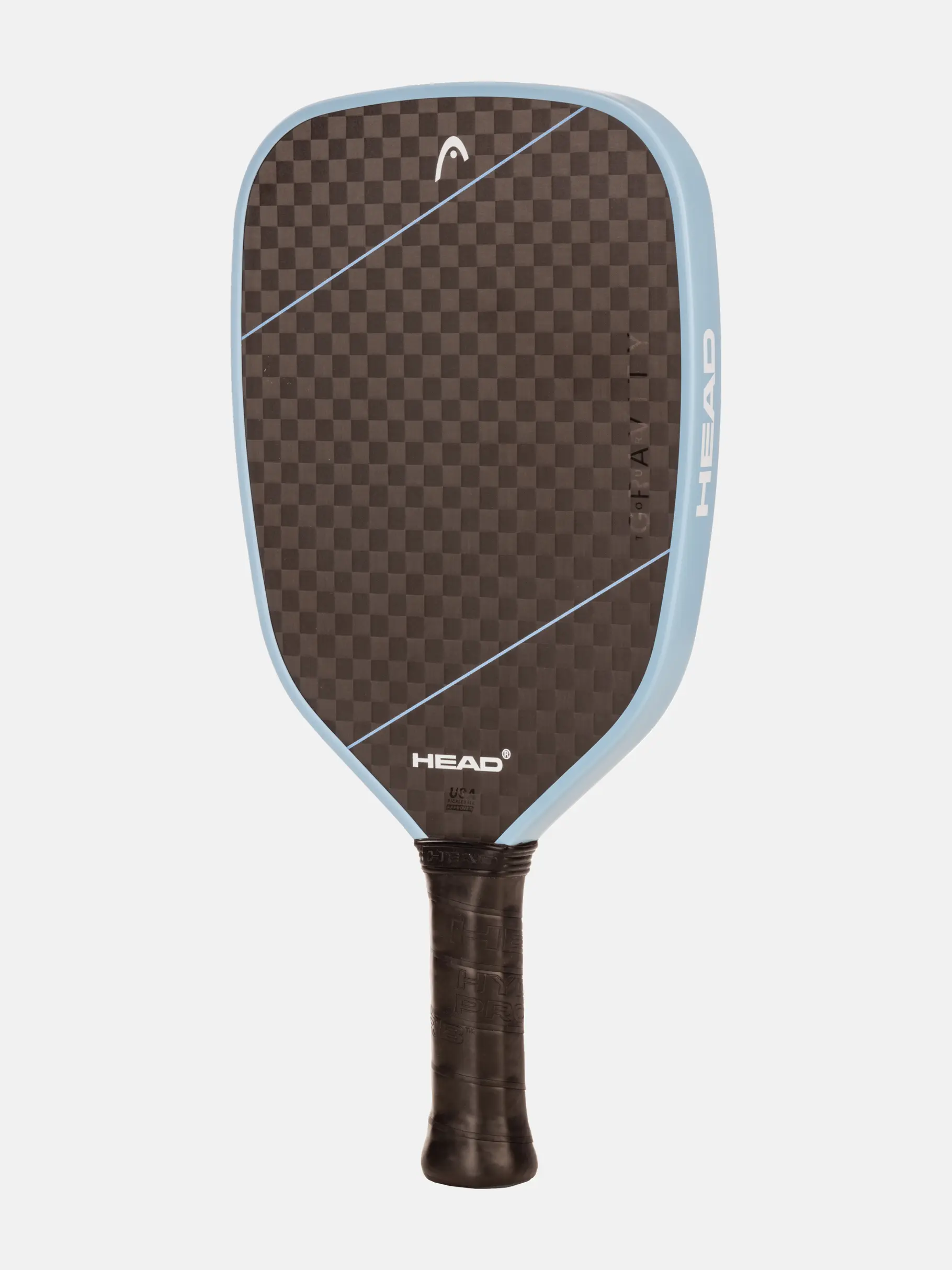
At 17mm and above, paddles get very dampened. The HEAD Gravity Tour at 17mm and the Diadem Warrior V2 at 19mm are built for players who want a reset to die on the face and who are willing to give up pop to get it. These reward a developed soft game and frustrate players who still need help generating pace.
Below 14mm, paddles get lively and unforgiving in equal measure. The ONIX Z5 Graphite at 12mm and the Paddletek Bantam TS-5 at 12.7mm are pre-dating the thick-core era, and they suit players who want the ball off the face immediately. They are also less comfortable on the arm, which matters if you play often.
Core thickness is one of four specs that determine how a paddle plays, and it is not the most important. Face material has a larger effect on spin than thickness has on anything. Shape determines where the sweet spot sits. Handle length determines whether a two-handed backhand is comfortable.
It is also worth being honest about the limits of choosing from a spec sheet, ours included. Our ratings are derived from published specifications using a formula you can read, and a formula cannot tell you how a paddle feels. Two paddles with identical cores can play differently depending on how the core is bonded to the face and how the edge is constructed. Use thickness to cut a list of thirty down to a list of three, then demo if you have the chance.
If you like your current paddle and only want a little more stability, lead tape at the 3 and 9 o'clock positions is cheaper than a new paddle and it is reversible. That is a better first experiment than changing thickness.
Chosen from the database by the criteria above. Every spec was checked against the manufacturer on the date shown on each card.

Six Zero
The thinner option of the Double Black Diamond: same hybrid shape and raw carbon face, more pop on drives and counters.

Six Zero
A hybrid-shape raw carbon paddle that became the default 'just get this one' recommendation for players who want control, spin and a forgiving sweet spot at a fair price.

Franklin
The thinner, poppier version of Franklin's Signature Series: a 13mm core, MaxGrit fiberglass face and a long 5.6-inch handle at an entry price.

Franklin
Franklin's elongated fiberglass paddle with a gritty MaxGrit face and a long 5.6-inch handle. Widely stocked, often discounted, and USA Pickleball approved.

Six Zero
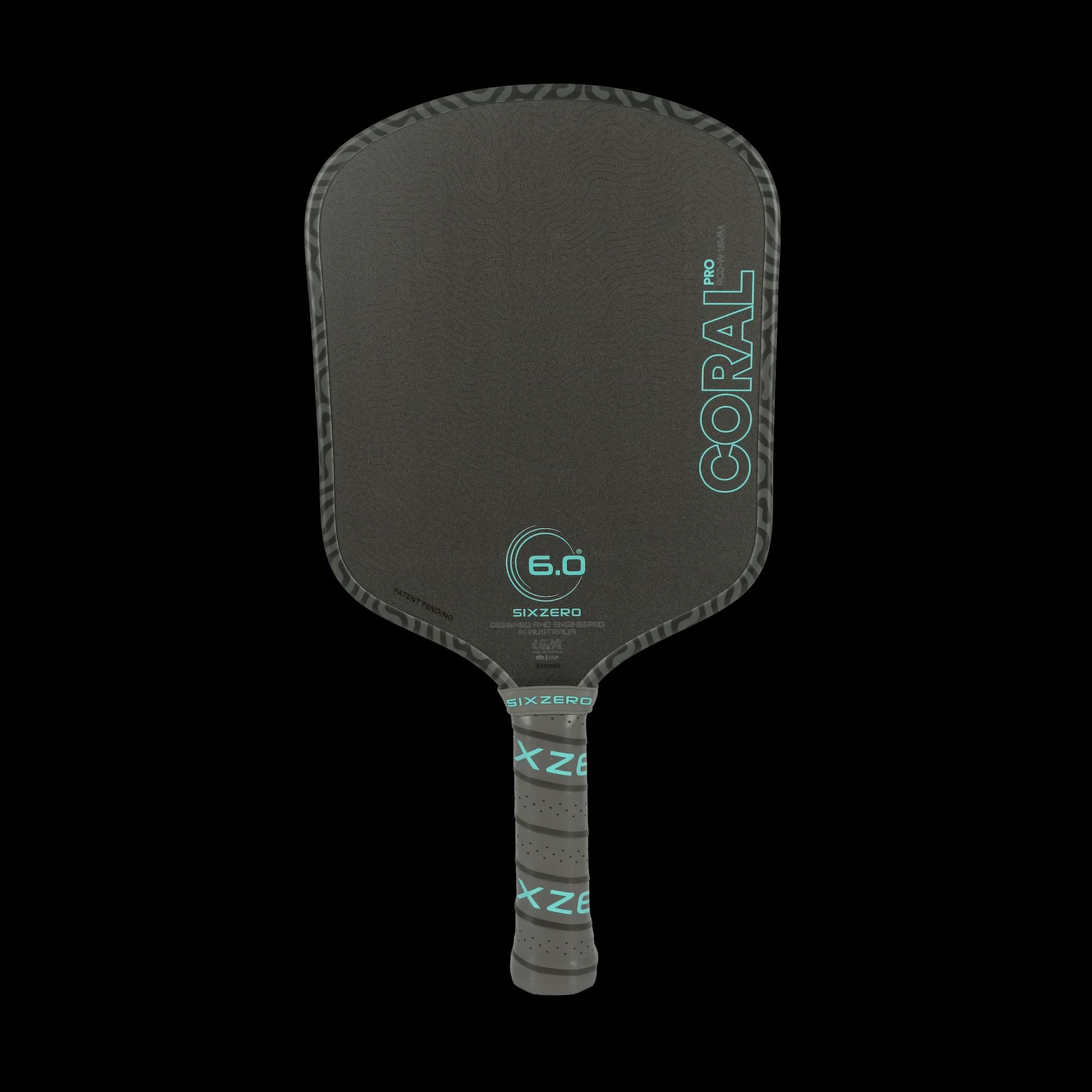
The widebody Coral Pro puts stability first, with the highest published twist weight and lowest swing weight of the three Coral Pro shapes.

Selkirk
The wider 8-inch Dauntless with a 16mm foam core and raw T700 carbon face, for players who want spin with a forgiving, quick-handling shape.

Selkirk
A thick 19mm, carbon-faced Epic-shape paddle built around control, suited to players who win with dinks, resets and placement.

HEAD
HEAD's control paddle: a thick 17mm core under a 12k raw carbon face, heavy at 8.5 oz with a short 4.9-inch handle, built to absorb pace.