Selkirk
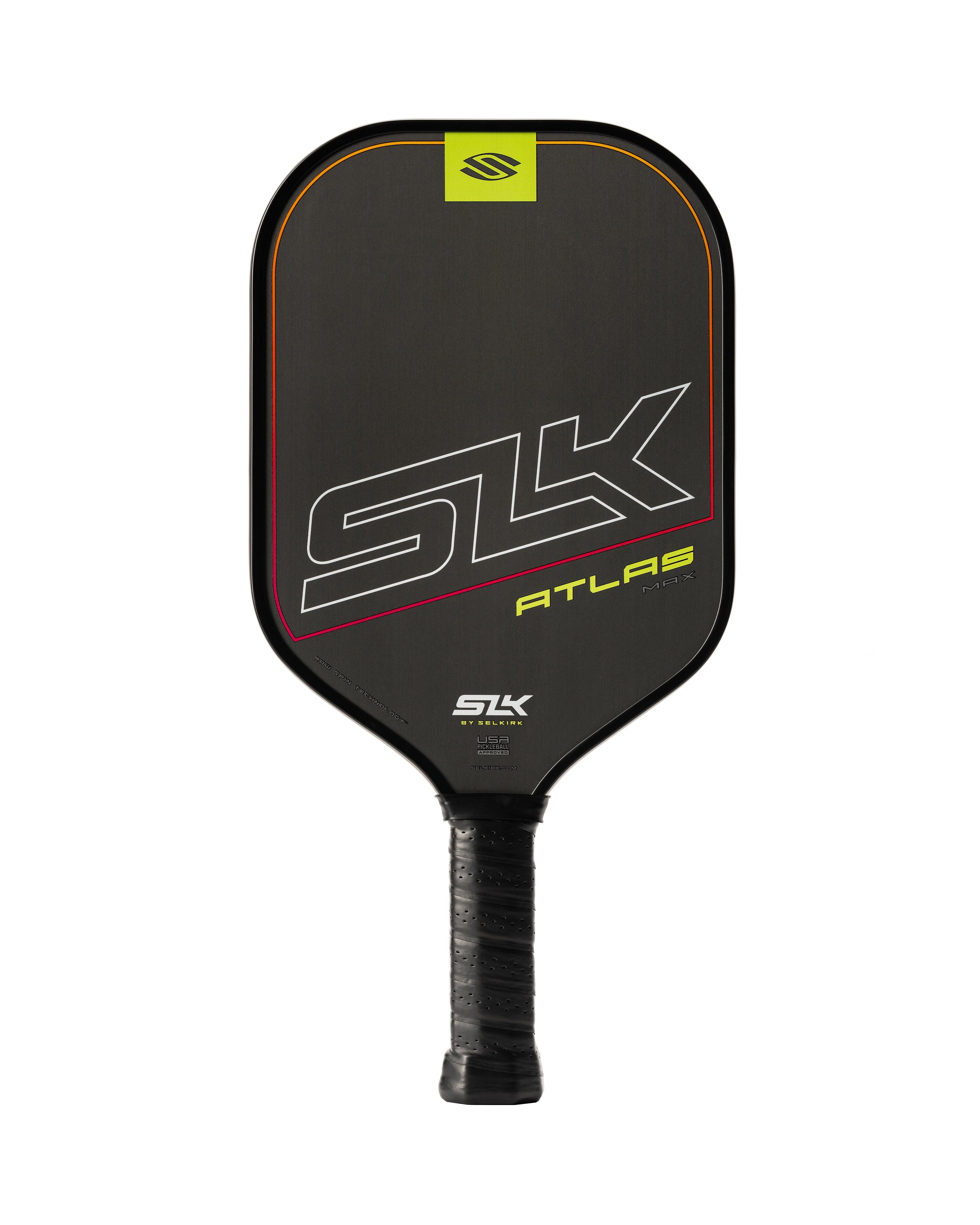
LUXX Control Air InfiniGrit Epic 19mm
A thick 19mm, carbon-faced Epic-shape paddle built around control, suited to players who win with dinks, resets and placement.
- Shape
- Standard
- Core
- 19mm
- Face
- Carbon

Best control pickleball paddles
Thick cores, wide faces and soft feel, for players who win points with dinks, drops and resets rather than pace.
Reviewed Sep 16, 2026
Control in a pickleball paddle means one specific thing: how much of the incoming ball's energy the paddle absorbs instead of returning. A high-control paddle takes pace off a hard drive so your block drops into the kitchen rather than popping up for an easy put-away.
That is why control paddles can feel dead in the shop and brilliant on the court. Deadness is the feature.
A thicker polymer core has more material to deform on impact, and deformation is energy that does not go back into the ball. 16mm is the standard control thickness. Above that, at 17mm and beyond, paddles become extremely dampened, and a handful of models now run to 19mm. If you are weighing the two common thicknesses against each other, we cover that decision in detail in 14mm vs 16mm paddles.
The cost is pace. You will hit fewer clean winners from the baseline and you will have to generate your own power on drives. For players whose game is built at the kitchen line, that is a trade worth making.
Wide shapes forgive off-centre contact, which matters enormously on defensive shots you are stretched for. Twistweight is the number that quantifies this: it measures how much the paddle resists rotating in your hand when you hit away from the middle.
A paddle with a high twistweight stays square through a reset you did not hit cleanly, which is precisely when you need it most. Not every brand publishes the figure, but when they do it is the most underrated spec on the sheet.
It is tempting to read control and power as two ends of one slider, but the more useful picture is two separate questions: how much energy does the paddle return, and how stable is it when you hit off-centre.
A thick, wide, high-twistweight paddle can still drive well if it carries enough mass, because plow-through comes from momentum rather than from the core springing back. What it will not do is give you cheap pop on a flick or a speed-up.
If you are the player in your group who ends points with drives and overheads, and you rarely find yourself resetting, a maximum-control paddle will feel like it is stealing your game. You will swing harder to get the same depth, which is how mishits and arm strain start.
Control paddles reward patience. Choose one because your game is patient, not because you have been told control is the sophisticated choice.
Chosen from the database by the criteria above. Every spec was checked against the manufacturer on the date shown on each card.

Selkirk
A thick 19mm, carbon-faced Epic-shape paddle built around control, suited to players who win with dinks, resets and placement.

HEAD
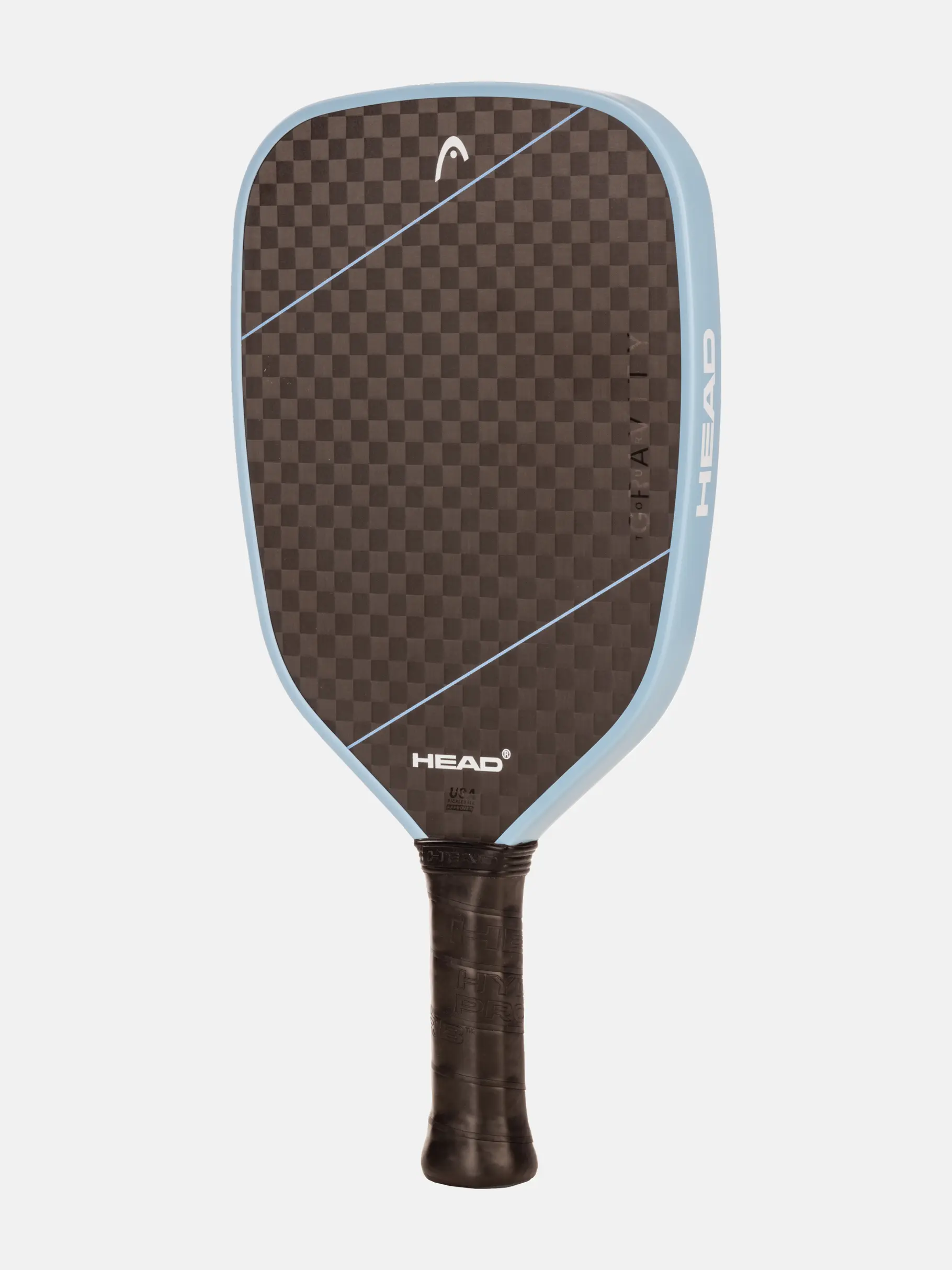
HEAD's control paddle: a thick 17mm core under a 12k raw carbon face, heavy at 8.5 oz with a short 4.9-inch handle, built to absorb pace.

Six Zero
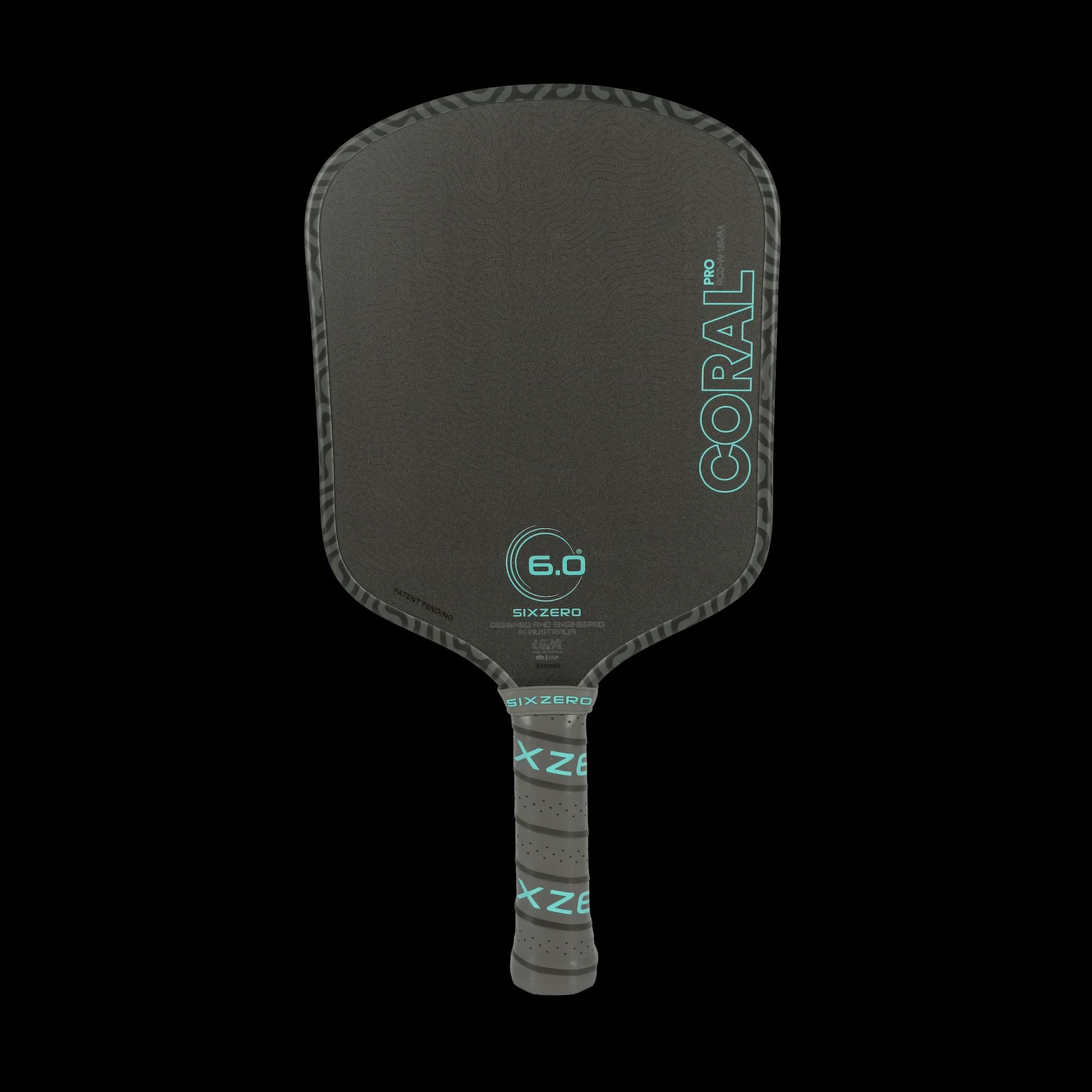
The widebody Coral Pro puts stability first, with the highest published twist weight and lowest swing weight of the three Coral Pro shapes.

Diadem
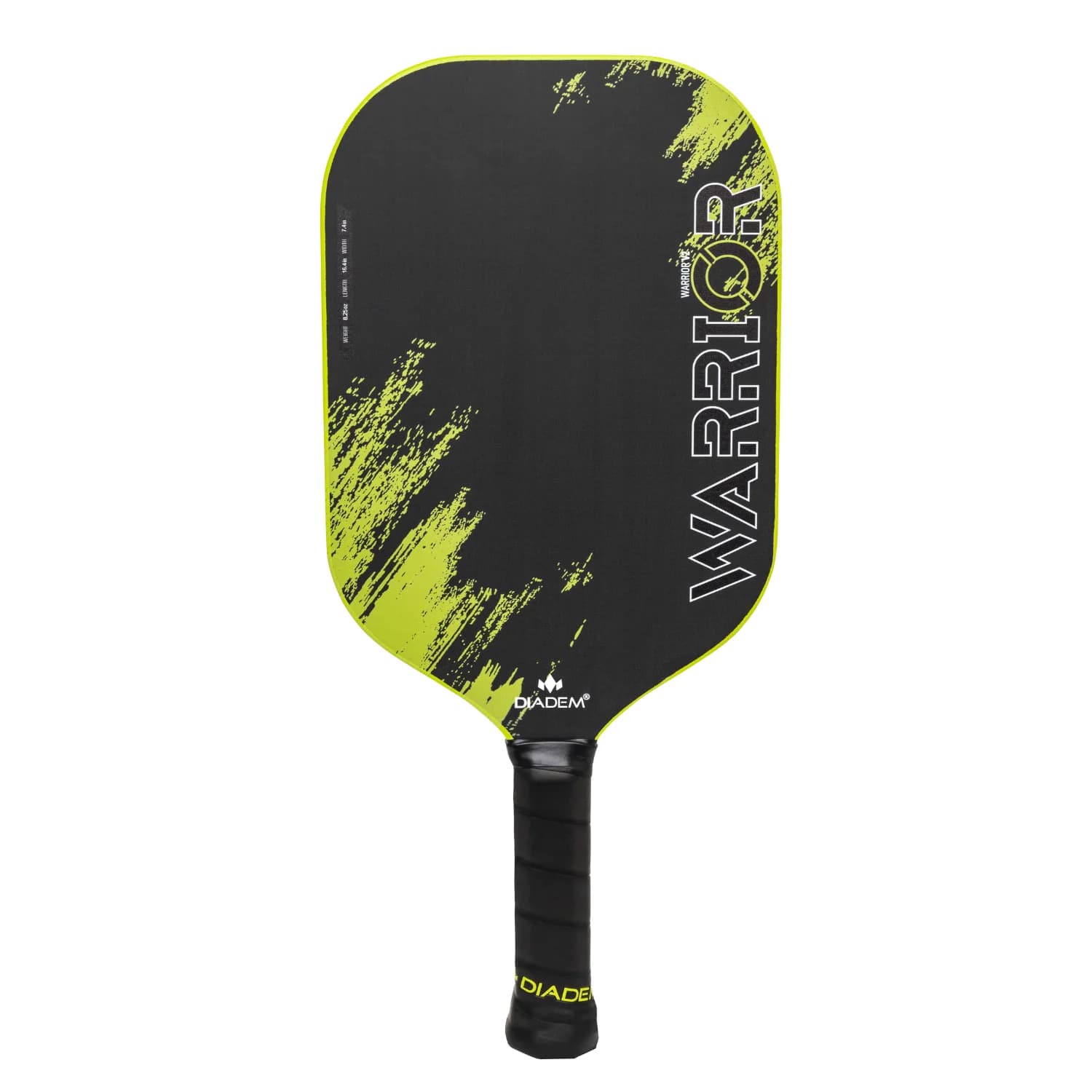
Diadem's edgeless flagship: a 19mm three-layer core with an aramid middle layer under an etched carbon face, in an elongated frame.

Diadem
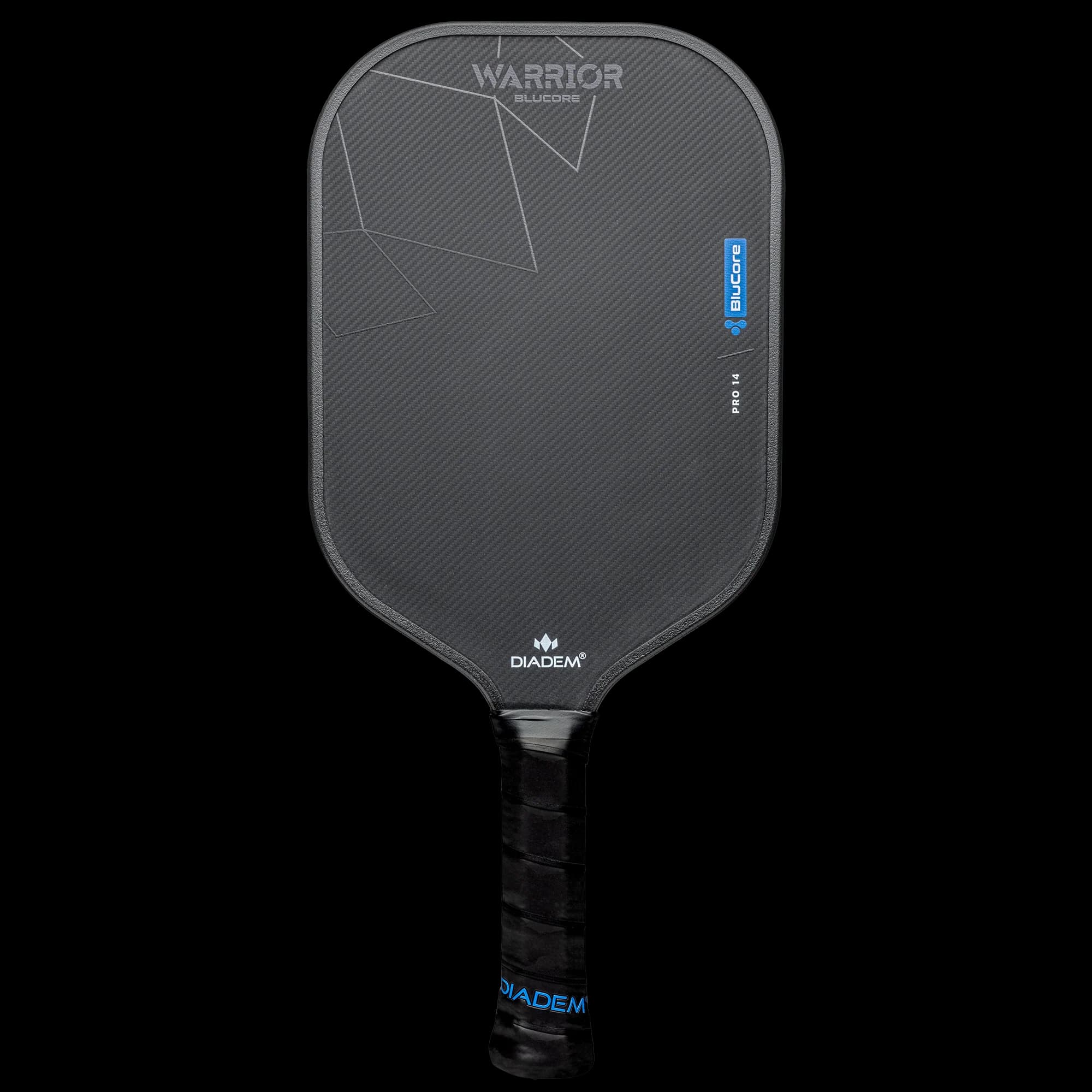
The thick 19mm version of the elongated Warrior BluCore Pro, slightly heavier at 8.5 oz, with a long 5.7-inch handle.

Selkirk
Selkirk's entry-level SLK line in the standard Max shape: a raw carbon face over a 16mm polymer core at $80, with a one-year warranty.