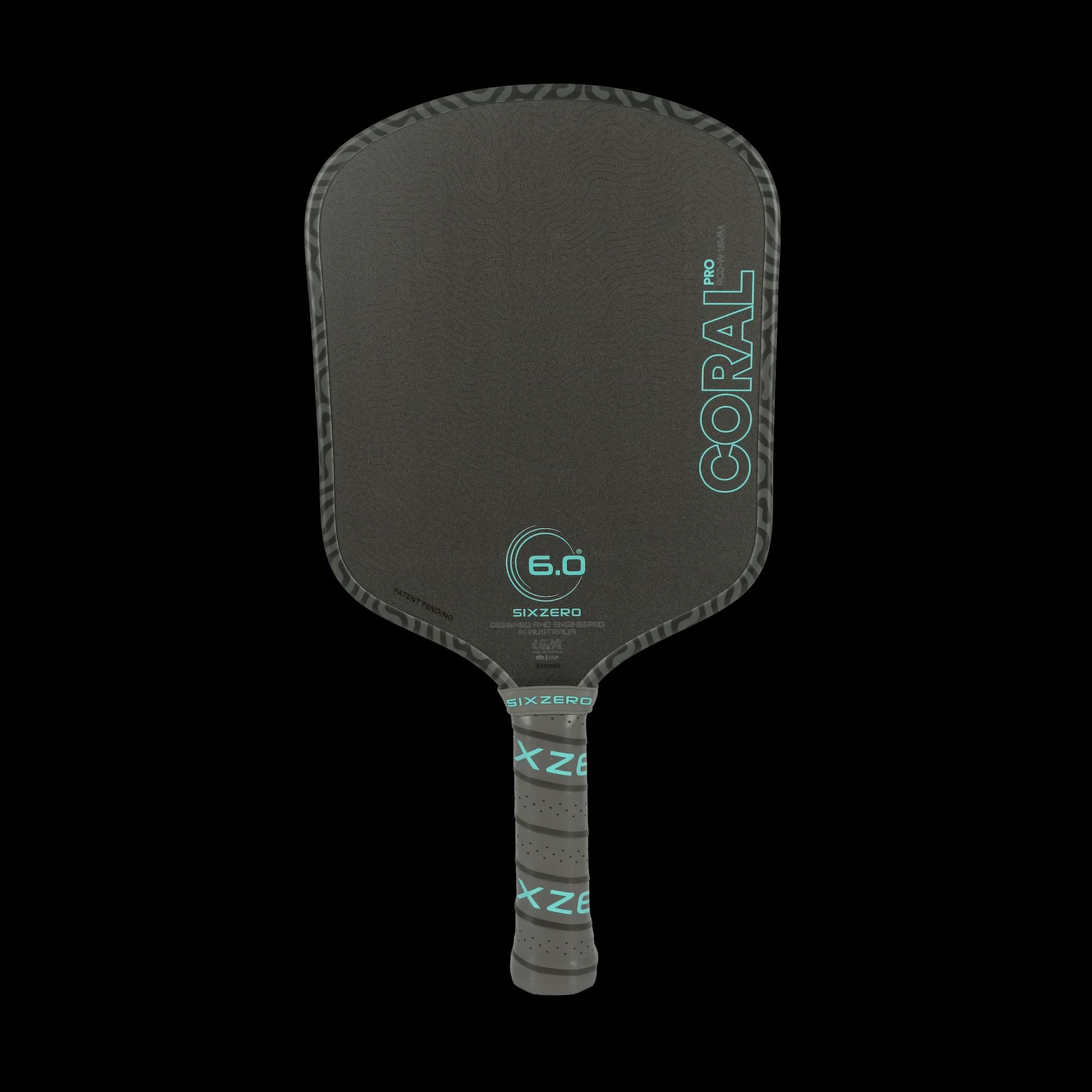
Six Zero
Coral Pro Widebody 16mm
The widebody Coral Pro puts stability first, with the highest published twist weight and lowest swing weight of the three Coral Pro shapes.
- Shape
- Widebody
- Core
- 16mm
- Face
- Raw carbon

The best pickleball paddle brands, honestly compared
Brand matters less for performance than you think, and more for warranty, availability and consistency than anyone advertises.
Reviewed Sep 16, 2026
Paddle brands fall into three groups, and knowing which group a brand belongs to tells you more than any individual review does: established sporting-goods companies, pickleball-native premium brands, and direct-to-consumer value brands.
The uncomfortable fact underneath all of them is that most paddles are manufactured in a relatively small number of factories, largely in China, using the same core and face materials. What separates brands is specification, quality control, and what happens when something goes wrong.
Companies that made tennis racquets, paddles or general sporting goods before pickleball existed, and that you can buy in a physical store.
What they offer: availability, straightforward returns, and long warranties in some cases. What they often do not offer: the published swingweight and twistweight figures that the enthusiast market now expects, or the newest construction techniques. Their specification sheets are frequently the thinnest in the category, which is why several records in our database have fields marked as not published.
Brands that sell mostly through their own website and marketplaces, competing on price for the same basic construction.
What they offer: genuinely premium recipes such as raw carbon over a 16mm core at roughly half the flagship price. What to watch: shorter warranties, slower support, and stock that disappears. Several paddles we researched for this database had to be excluded because the brand had quietly discontinued them or the listing had gone unavailable.
Not spin. Not power. Those come from the face and the core, and the good versions of both are widely available at every price.
What it buys you is risk reduction: a warranty you can actually claim, a paddle that will still be purchasable in a year when you want to replace it with the same thing, and consistency between two units of the same model. Those are real benefits, and they are worth paying something for. They are not worth paying anything for.
Use it as a tiebreaker, not a starting point. Decide the specification first: face material, core thickness, shape, handle length, grip size. That usually leaves several paddles across several brands.
Then let brand break the tie based on what you care about: warranty length, whether you can return it easily, and whether you will be able to buy the same paddle again. Every paddle in our database lists its warranty and its verification date for exactly this reason.
Chosen from the database by the criteria above. Every spec was checked against the manufacturer on the date shown on each card.

Six Zero
The widebody Coral Pro puts stability first, with the highest published twist weight and lowest swing weight of the three Coral Pro shapes.

Selkirk
The wider 8-inch Dauntless with a 16mm foam core and raw T700 carbon face, for players who want spin with a forgiving, quick-handling shape.

Selkirk
A thick 19mm, carbon-faced Epic-shape paddle built around control, suited to players who win with dinks, resets and placement.

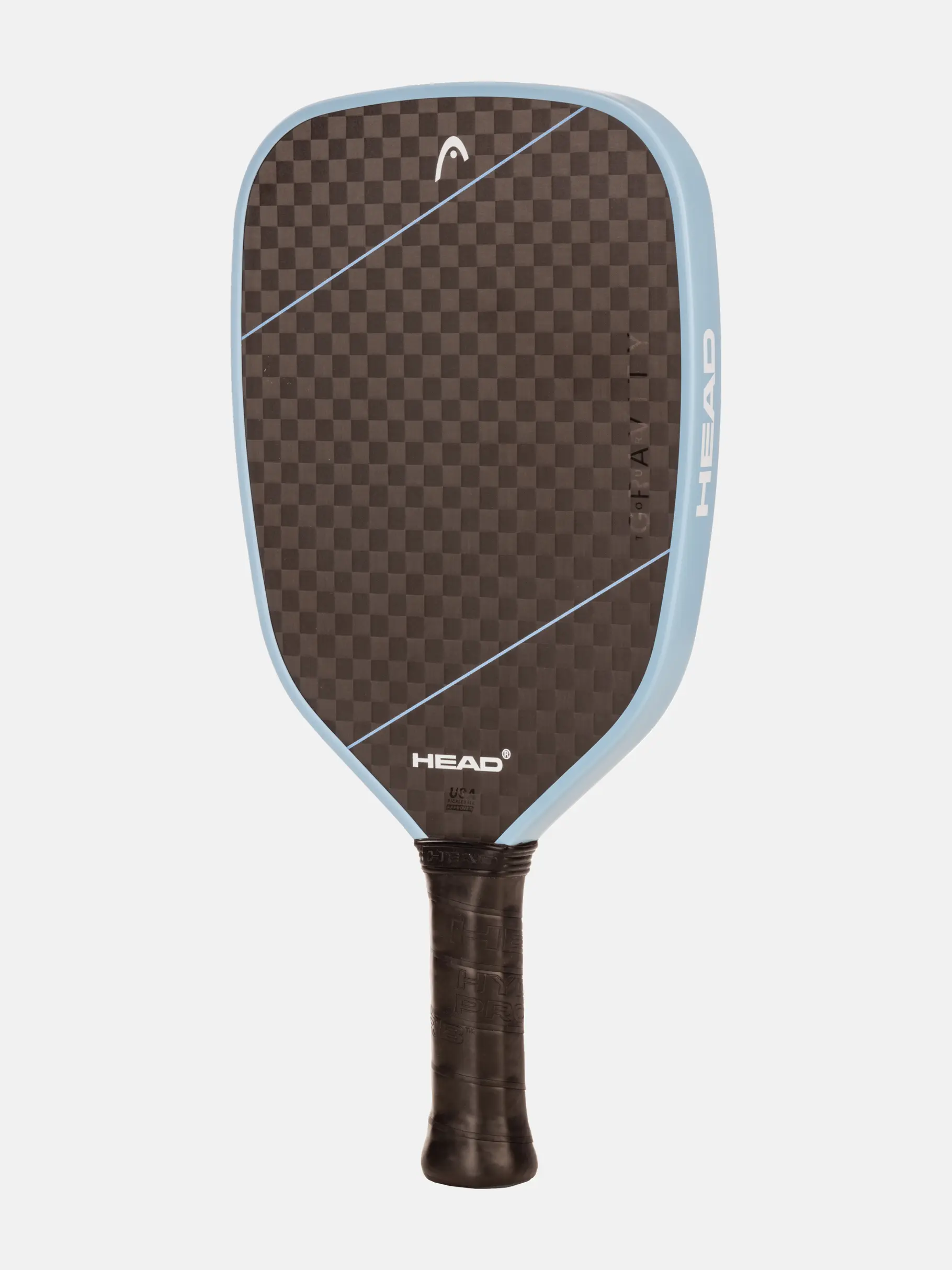
HEAD
HEAD's control paddle: a thick 17mm core under a 12k raw carbon face, heavy at 8.5 oz with a short 4.9-inch handle, built to absorb pace.

Selkirk
The wide 8-inch version of the 16mm carbon Boomstik, for power players who want a more forgiving face than the elongated shape.

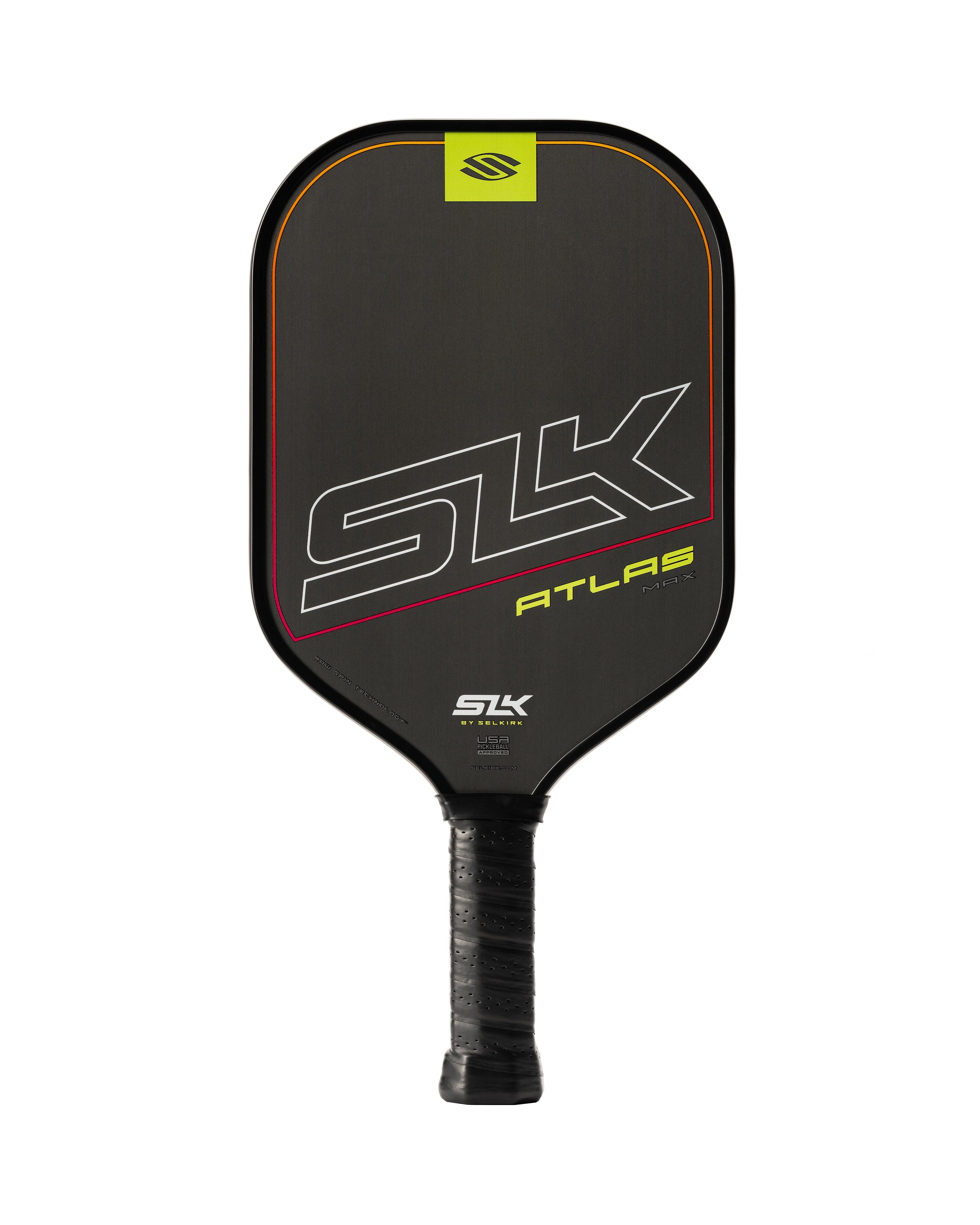
Selkirk
Selkirk's entry-level SLK line in the standard Max shape: a raw carbon face over a 16mm polymer core at $80, with a one-year warranty.