HEAD
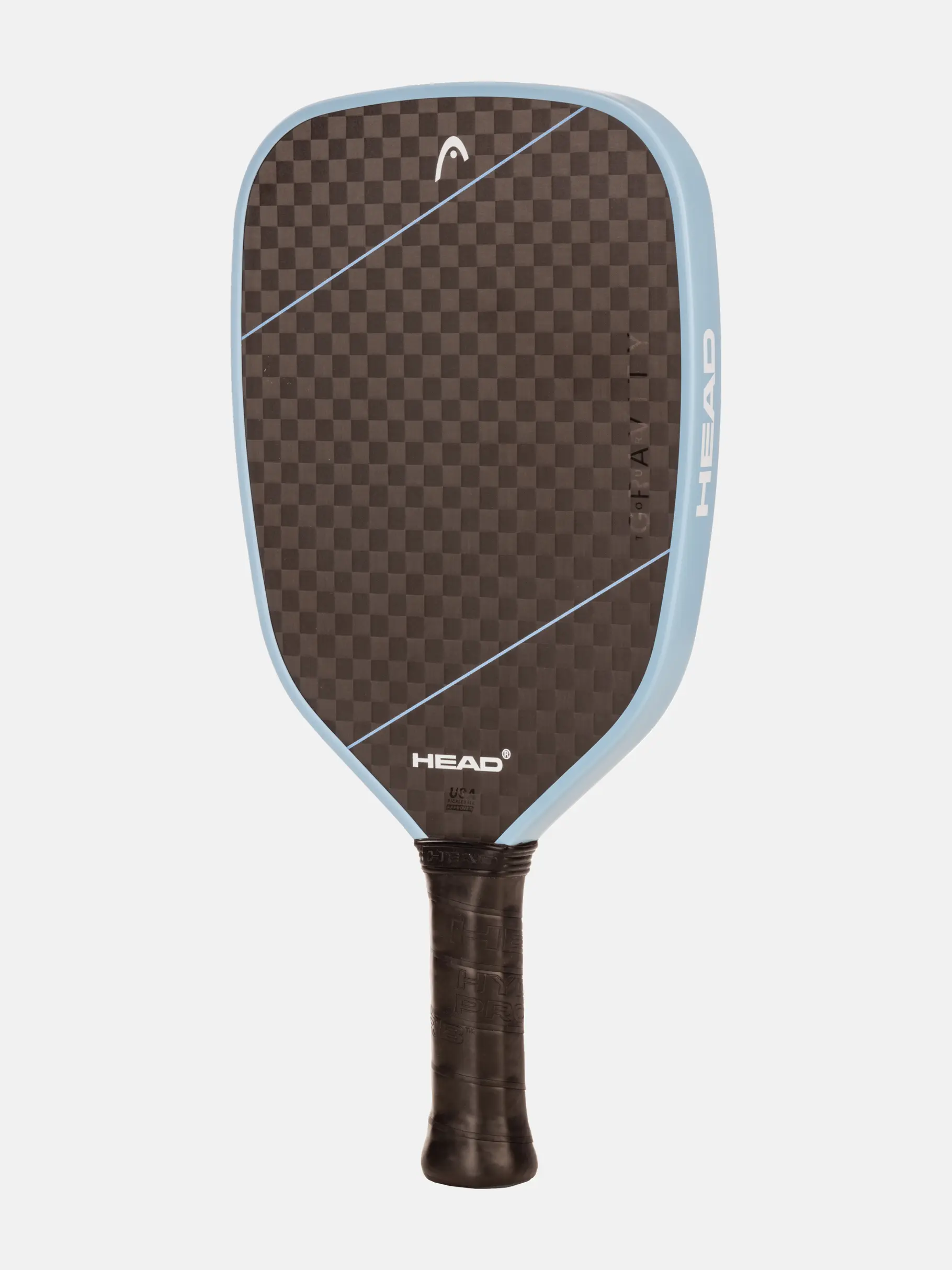
Gravity Tour (2025)
HEAD's control paddle: a thick 17mm core under a 12k raw carbon face, heavy at 8.5 oz with a short 4.9-inch handle, built to absorb pace.
- Shape
- Standard
- Core
- 17mm
- Face
- Raw carbon

Pickleball paddle materials explained
Faces, cores and construction, decoded. What each material does to the ball, and which marketing terms mean nothing.
Reviewed Sep 16, 2026
A paddle is three things: a face, a core, and the way they are joined. Almost every performance claim on a paddle box traces back to one of those three, and once you can read them you can ignore most of the copy.
This page explains what each material actually does, ranked by how much it changes your game.
The face determines spin, and spin is the characteristic most players notice first.
The core determines how much energy comes back, which drives control, forgiveness and power.
Cold-pressed paddles are assembled with the face bonded to the core and an edge guard added around the outside. They flex more, feel softer, and are gentler on the arm.
Thermoformed paddles are heat-pressed into a single unit, usually with foam injected around the perimeter, producing a stiffer frame that loses less energy at the edges. That means more power and a larger effective sweet spot, and also a firmer, harsher feel that transmits more shock.
Neither is better. Thermoformed suits players who want power and can absorb the feel; cold-pressed suits touch players and anyone with arm sensitivity.
Thickness is measured in millimetres and typically runs from 13 to 19. A thicker core deforms more on impact and returns less energy, giving control and forgiveness. A thinner core returns more energy, giving pop at the cost of both.
16mm is the modern default. 14mm is the common power alternative. Above 16mm you are buying dampening, which suits soft-game players and anyone managing arm strain.
Proprietary names for ordinary things are everywhere. A branded name for a polypropylene core is still a polypropylene core; a named surface technology is usually raw carbon with a trademark attached.
Fibre grade numbers such as T700 refer to a real specification from the fibre manufacturer, but a grade alone does not tell you how the weave was finished, which is what actually determines grip. Treat it as a hint rather than a guarantee.
We record what each manufacturer actually publishes, in its own words, on every product page, so you can see which claims come with numbers behind them.
Chosen from the database by the criteria above. Every spec was checked against the manufacturer on the date shown on each card.

HEAD
HEAD's control paddle: a thick 17mm core under a 12k raw carbon face, heavy at 8.5 oz with a short 4.9-inch handle, built to absorb pace.

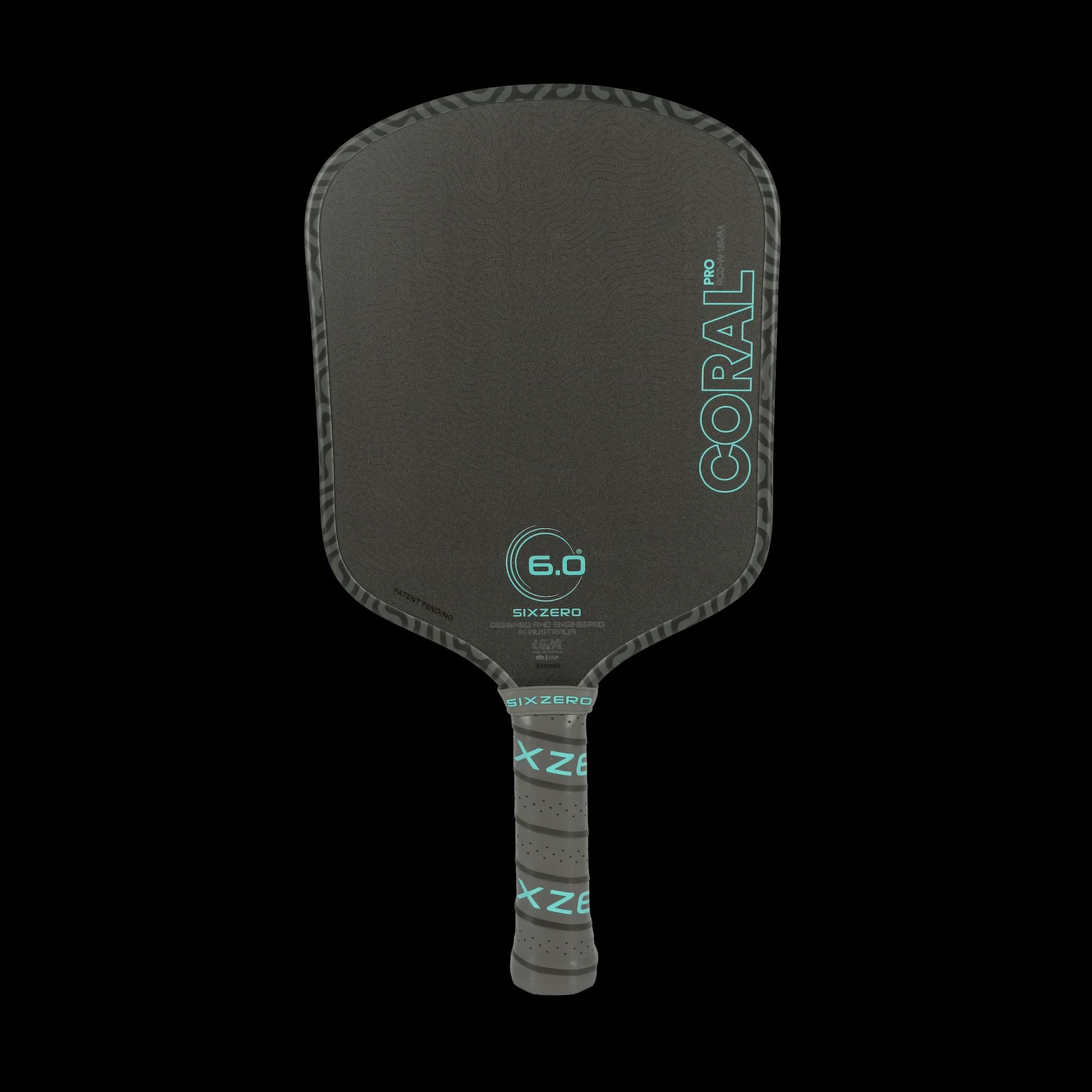
Six Zero
The widebody Coral Pro puts stability first, with the highest published twist weight and lowest swing weight of the three Coral Pro shapes.

Selkirk
A thick 19mm, carbon-faced Epic-shape paddle built around control, suited to players who win with dinks, resets and placement.

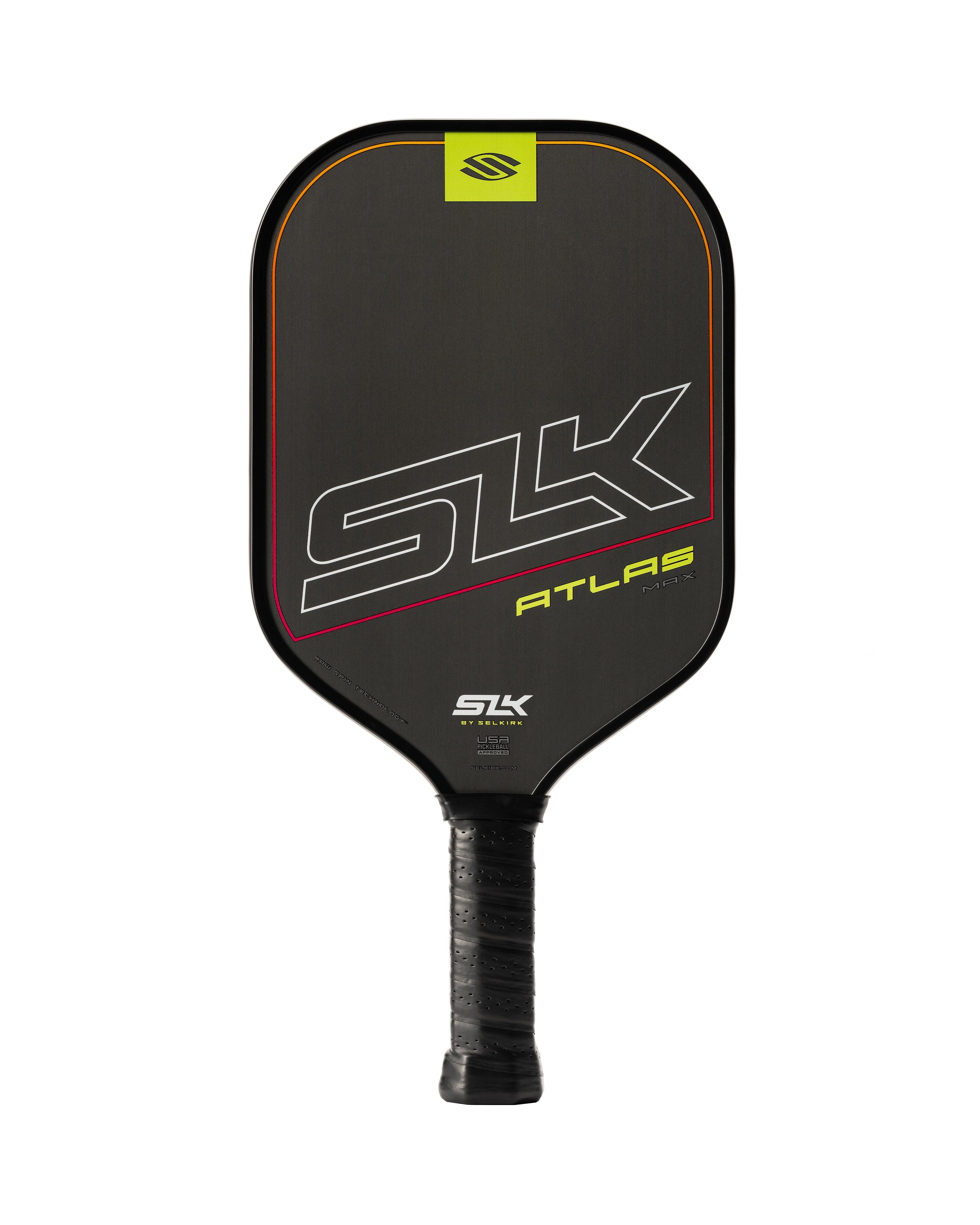
Selkirk
Selkirk's entry-level SLK line in the standard Max shape: a raw carbon face over a 16mm polymer core at $80, with a one-year warranty.
ProXR
A 16mm raw T700 carbon paddle with a wide 16 x 8 inch face, for players who want a large, forgiving hitting area and control from a thick core.

Selkirk
The wider 8-inch Dauntless with a 16mm foam core and raw T700 carbon face, for players who want spin with a forgiving, quick-handling shape.